 Save
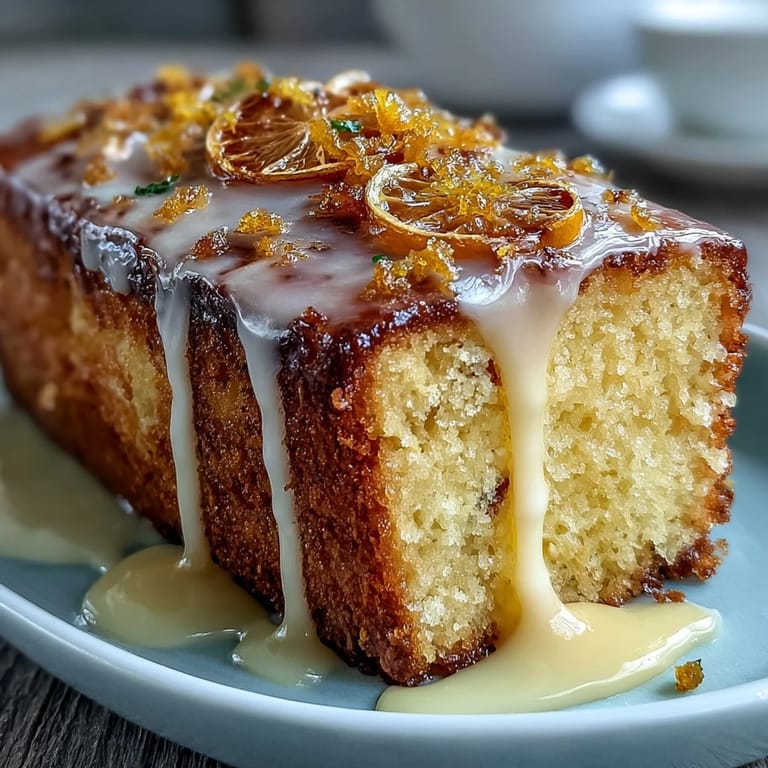
Save My neighbor Marco showed up one afternoon with a bottle of homemade limoncello he'd made from lemons off his tree, and honestly, I wasn't sure what to do with it beyond sipping it ice-cold. Then it hit me while I was cleaning out my pantry—why not bake it into a pound cake? That first attempt was pure experimentation, mixing citrus zest and liqueur into butter and sugar, hoping the alcohol wouldn't burn off too quickly. When I pulled it from the oven and the kitchen smelled like a Sicilian lemon grove, I knew I'd found something special.
I baked this for a baby shower last May, and I remember watching people take their first bites—their eyes lit up when they tasted that layered citrus flavor with the bright glaze on top. One guest asked if it was store-bought, which felt like the highest compliment, and then she wanted the recipe before she'd even finished her slice. That's when I realized this cake had moved beyond my kitchen experiments into something people actually wanted to make themselves.
Ingredients
- All-purpose flour: The foundation here—make sure it's measured by scooping and leveling, not packing, or your cake will turn out dense and tight instead of tender.
- Baking powder: Just enough to give the cake lift without making it cakey or crumbly; don't skip this or use baking soda instead.
- Fine sea salt: A small amount that you barely taste, but it makes all the lemon and butter flavors pop like they're singing.
- Unsalted butter, softened: Room temperature is non-negotiable here—cold butter won't cream properly with the sugar, and you'll end up with a dense crumb instead of that light, tender texture.
- Granulated sugar: This dissolves into the butter and helps trap moisture in the cake, keeping every slice tender the next day.
- Large eggs, room temperature: They emulsify better with the butter and sugar, creating a smoother, more cohesive batter that bakes more evenly.
- Limoncello liqueur: The star ingredient that gives this cake its sophisticated citrus punch and keeps it moist for days.
- Whole milk: Adds richness and helps balance the acidity of the lemon juice so the cake doesn't taste too sharp.
- Fresh lemon juice: Bottled won't work here—use fresh, and taste it first to make sure it's bright and not sitting around losing its punch.
- Lemon zest: The oils in the zest are where the most intense lemon flavor lives, so don't skip it or use the zest from old, dried-out lemons.
- Vanilla extract: A small amount that rounds out the flavor and prevents the cake from tasting one-dimensional.
- Powdered sugar for the glaze: Must be sifted, otherwise you'll have lumpy streaks in your otherwise silky glaze.
Tired of Takeout? 🥡
Get 10 meals you can make faster than delivery arrives. Seriously.
One email. No spam. Unsubscribe anytime.
Instructions
- Get Your Pan Ready and Heat the Oven:
- Preheat to 350°F while you grease and flour your pan—I prefer a bundt pan because the cake looks gorgeous when you turn it out, but a loaf pan works just fine. Make sure you really coat those crevices, or you'll have pieces of cake sticking behind when you turn it out.
- Combine Your Dry Ingredients:
- Whisk together the flour, baking powder, and salt in a bowl and set it aside. This prevents lumps and distributes the leavening evenly throughout the batter so you get a consistent crumb.
- Cream the Butter and Sugar:
- Beat them together for 3 to 4 minutes until it's pale, fluffy, and looks almost like mousse—this is where the magic starts, because you're incorporating tiny air bubbles that will expand in the oven. Stop occasionally to scrape down the bowl so everything creams evenly.
- Add the Eggs One at a Time:
- After each egg, beat for about 30 seconds to let it fully incorporate before adding the next one. If you dump them all in at once, your batter can look curdled and broken, and you'll end up with a cake that doesn't rise properly.
- Mix in the Wet Flavoring Ingredients:
- Pour in the limoncello, milk, lemon juice, zest, and vanilla, then mix until everything is just combined. The batter might look slightly separated at this point, but it comes together once you add the flour.
- Fold in the Flour Gently:
- Add the dry mixture gradually and stir just until you don't see any white flour streaks—overmixing develops gluten, which turns your tender pound cake into something tough and bouncy. I usually switch to a spatula here to avoid overdoing it.
- Bake Until a Toothpick Comes Out Clean:
- Pour the batter into your prepared pan and smooth the top, then bake for 50 to 60 minutes. If the top starts browning too quickly (usually after about 40 minutes), lay a piece of foil loosely over it. The cake is done when a toothpick inserted in the center comes out with just a few moist crumbs, not wet batter.
- Cool and Release:
- Let the cake sit in the pan for 15 minutes—this is important because it allows the crumb to set slightly so it won't fall apart when you turn it out. Then run a thin knife around the edges and turn it out onto a wire rack to cool completely.
- Make Your Glaze and Finish:
- Whisk together the powdered sugar with 2 tablespoons of fresh lemon juice and optional limoncello until it's thin enough to drizzle but thick enough to cling to the cake. Once the cake is completely cool, drizzle it generously and sprinkle fresh lemon zest over the top, then let it set for about 30 minutes before slicing so the glaze firms up.
 Save
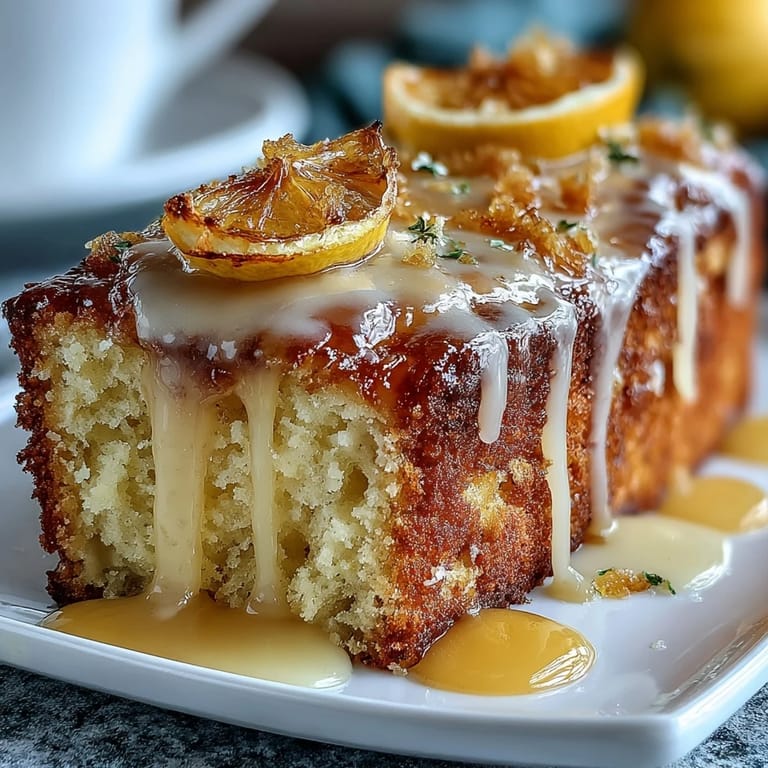
Save Last summer, my mom served this cake at her book club, and when the ladies asked her where she got it, she actually let them think she'd bought it from a bakery before telling them the truth. I don't think I'd ever seen her look prouder of something I'd taught her to make, and now it's her go-to when she needs to bring something special to an event.
Why Fresh Lemon Juice Makes All the Difference
Bottled lemon juice has been treated to stay shelf-stable, which means it's lost a lot of its bright, fresh character—it tastes flat and one-dimensional compared to juice you squeeze yourself. When I first made this cake with bottled juice because I was in a rush, the whole thing tasted muted and slightly chemical, like lemon-flavored pound cake instead of an actual pound cake made with real lemons. Now I always keep a few fresh lemons on hand, and the difference is night and day.
The Secret to Keeping This Cake Moist for Days
The combination of limoncello and milk in the batter is what keeps every bite tender and moist even on day three, which is honestly the best day to eat this cake because the flavors have deepened and mellowed slightly. If you store it covered at room temperature, it actually improves as it sits, the citrus flavors blending together into something richer and more integrated. I've never had a slice go stale in my house, though I suspect if I didn't eat it all, it would last nearly a week.
Serving Suggestions and Storage Tips
Serve thick slices on a pretty plate with fresh berries, a dollop of whipped cream, or even a small glass of limoncello alongside—the flavors complement each other perfectly and make the moment feel special. This cake keeps covered at room temperature for up to five days, or you can wrap it well and freeze it for up to two months if you want to make it ahead for a gathering.
- If you want to add an extra layer of limoncello flavor, brush the baked cake with two tablespoons of limoncello right after you turn it out of the pan while it's still warm.
- For a fun twist, substitute orange liqueur and orange zest for the limoncello and lemon, or try a combination of both for a citrus medley.
- Always use a sharp serrated knife and a gentle sawing motion when slicing—this cake is tender enough that a regular downward chop will compress the crumb and ruin the delicate texture.
 Save
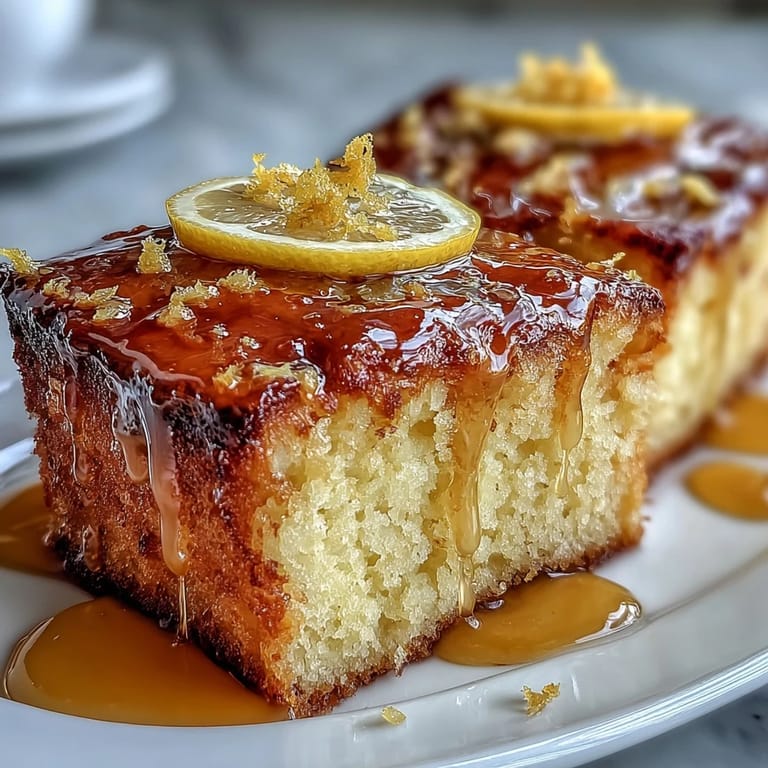
Save This cake has become my answer to almost every spring celebration, and there's something deeply satisfying about knowing you've created something beautiful and delicious that makes people slow down and actually taste their dessert. If you make it once, I'm betting you'll make it again.
Recipe Guide
- → What gives this cake its citrus flavor?
Fresh lemon zest and juice brighten the batter, while limoncello liqueur adds a subtle, sweet citrus depth.
- → Can I substitute the limoncello with another ingredient?
Yes, orange liqueur and zest can be used for a slightly different citrus note without overpowering the cake.
- → How do I achieve a moist crumb in the pound cake?
Creaming butter and sugar until light, carefully incorporating eggs, and avoiding overmixing the flour ensures a tender, moist texture.
- → What is the best way to apply the lemon glaze?
Whisk powdered sugar with fresh lemon juice and optional limoncello into a smooth glaze, then drizzle over the cooled cake for a bright finish.
- → Can this cake be prepared in a bundt pan instead of a loaf pan?
Yes, both loaf and bundt pans work well; just adjust baking time slightly to ensure even cooking.