 Save
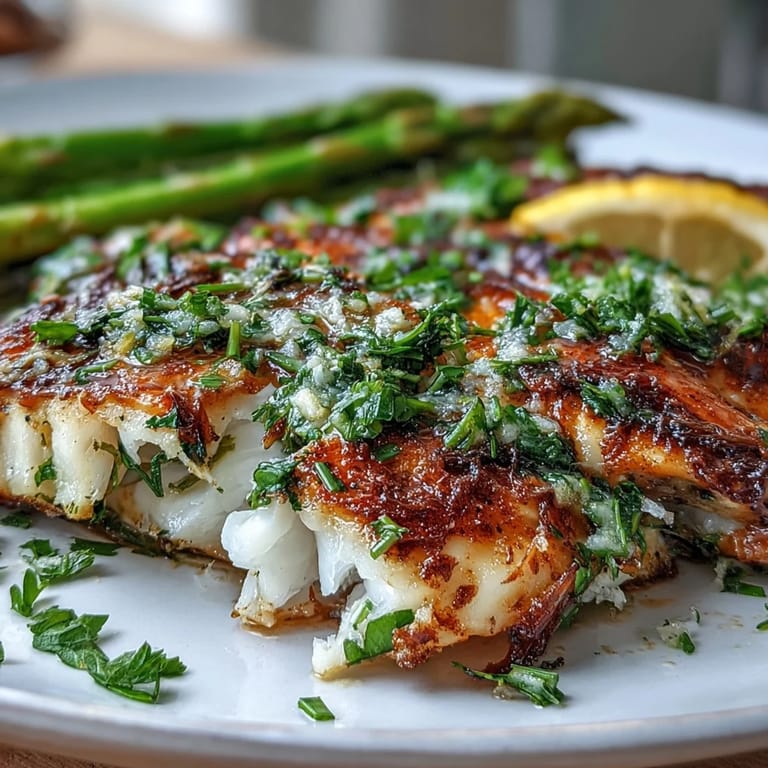
Save I discovered this dish on a Tuesday when my kitchen felt too quiet and my fridge held nothing but fish, lemon, and herbs. Rather than order takeout, I decided to work with what I had, and twenty-five minutes later, something magical happened on my plate. The brightness of that first bite—flaky fish kissed with lemon and fresh dill—made me realize that simple food, when treated with care, becomes something you actually crave. My partner walked in halfway through cooking and just inhaled, asking what smelled so good. That's when I knew this would become our go-to weeknight dinner.
Last month, I made this for my parents who were visiting, and my mom kept saying she couldn't believe something this elegant took only fifteen minutes of actual cooking time. She watched me brush the herbs onto the fish and asked why restaurants charge so much for essentially the same thing, just on a prettier plate. We sat at the table with the asparagus still steaming and talked for an hour, which never happens on a weeknight. That's when I realized this recipe isn't just about eating well—it's about having time left over for the people you're eating with.
Ingredients
- Tilapia fillets (2, about 150 g each): They cook fast and stay delicate, but the real secret is patting them completely dry before seasoning so the herb mixture actually clings instead of sliding off.
- Olive oil (1 tablespoon for fish, 1 for asparagus): Use your better olive oil here because you taste it directly, not hidden in a sauce or cooked down.
- Fresh lemon juice and zest (1 tablespoon juice, 1 teaspoon zest): The zest is where the magic lives—it carries the brightness without making the fish taste sour.
- Garlic clove, minced (1): This disappears into the background but prevents the dish from tasting flat or one-dimensional.
- Fresh parsley and dill (1 tablespoon parsley, 1 teaspoon dill): Fresh herbs are non-negotiable here because dried versions lose their personality in the oven heat.
- Salt and black pepper (¼ teaspoon salt, ⅛ teaspoon pepper): Measure carefully with fish because over-salting changes the texture and makes it less tender.
- Asparagus (250 g, trimmed): The thinner stalks cook faster and taste sweeter than thick ones, and you'll notice the difference.
Tired of Takeout? 🥡
Get 10 meals you can make faster than delivery arrives. Seriously.
One email. No spam. Unsubscribe anytime.
Instructions
- Get your oven ready:
- Preheat to 200°C (400°F) and line your baking sheet with parchment paper so the fish releases cleanly without sticking.
- Build your herb mixture:
- Combine the olive oil, lemon juice, zest, minced garlic, parsley, dill, salt, and pepper in a small bowl—this is your entire flavor strategy, so don't rush it.
- Prepare the fish:
- Pat the tilapia fillets with paper towels until they're completely dry, then lay them on the sheet and brush both sides generously with your herb mixture. The fish skin should shimmer from the oil.
- Bake the tilapia:
- Slide everything into the oven for 12–15 minutes, watching until the fish flakes easily with a fork—overcooked fish becomes rubbery, so start checking at twelve minutes.
- Steam the asparagus:
- While the fish cooks, boil water in a pot with a steamer basket, add asparagus, cover, and steam for 4–5 minutes until the spears are bright green and tender but still have a slight snap. You want them crisp, not mushy.
- Finish the vegetables:
- Toss the warm asparagus with a drizzle of olive oil, a pinch of salt, and black pepper so every spear is coated.
- Plate and serve:
- Arrange the tilapia alongside the asparagus, add lemon wedges and extra parsley if you're feeling fancy, and eat while everything is still warm.
 Save
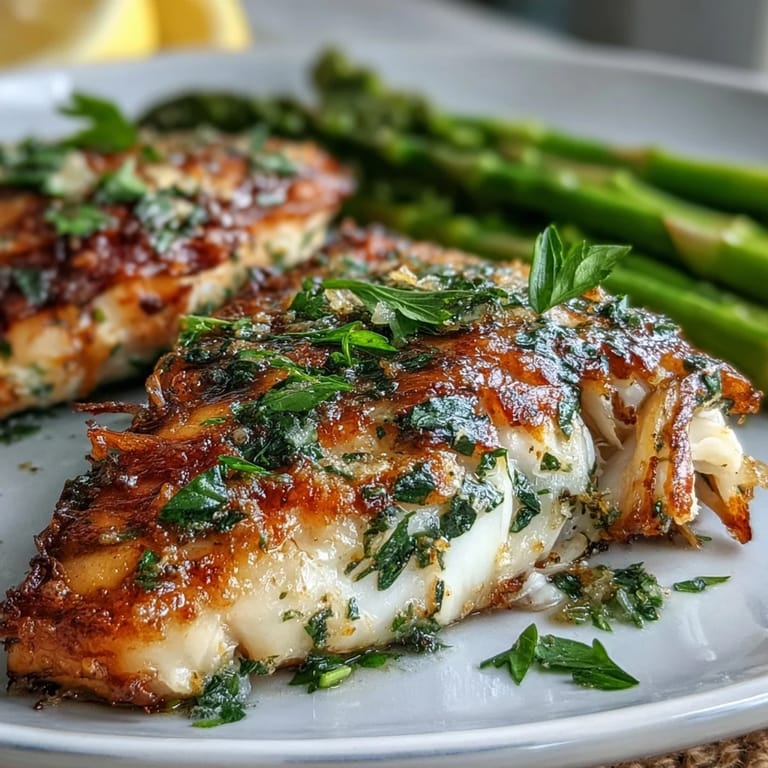
Save There's something about the simplicity of this meal that makes you feel like you're taking care of yourself rather than just eating dinner. My friend who's usually stressed about calories asked for the recipe because she realized halfway through that she was actually enjoying her food instead of guilt-eating in silence. That shift—from restriction to pleasure—is worth more than any diet label on the box.
Timing and Prep Strategy
The beauty of this dish lives in its efficiency, and timing is everything. I prep my herb mixture while the oven preheats, pat and season the fish while it's heating, and by the time I turn to the asparagus, the oven is exactly ready for the fillets. If you stay organized, the entire process feels like a dance rather than a scramble. One night I prepped everything in advance and refrigerated it, but the fresh herbs got a bit sad sitting in the herb mixture, so now I only combine them right before cooking.
Swapping and Building On
I've made this same technique with cod and sole when tilapia wasn't on sale, and honestly, each white fish brings its own personality to the plate. The herb mixture is so versatile that you can play with it—sometimes I add a pinch of red pepper flakes for a subtle warmth, other times I swap the dill for fresh tarragon if I'm feeling French about it. The asparagus is forgiving too; I've roasted it instead of steaming it, and the caramelized edges were actually incredible, so don't feel locked into one method.
Making It a Complete Meal
This recipe stands beautifully on its own as a protein-and-vegetable plate, but sometimes you want something more substantial. I'll pair it with quinoa or brown rice for fiber and staying power, and the lemon-herb flavors never fight with either grain. The fish and asparagus are so light that you could easily add a side salad or roasted vegetables without feeling like you're overeating. A simple green salad with lemon vinaigrette echoes the fish flavors without being redundant.
- If you're cooking for someone watching carbs strictly, skip the grains entirely and add extra asparagus or a handful of roasted Brussels sprouts instead.
- Leftover fish makes an incredible next-day salad—just flake it cold and toss it over greens with the asparagus as crouton replacements.
- This meal tastes just as good slightly cooler, so don't stress if timing gets a little off.
 Save
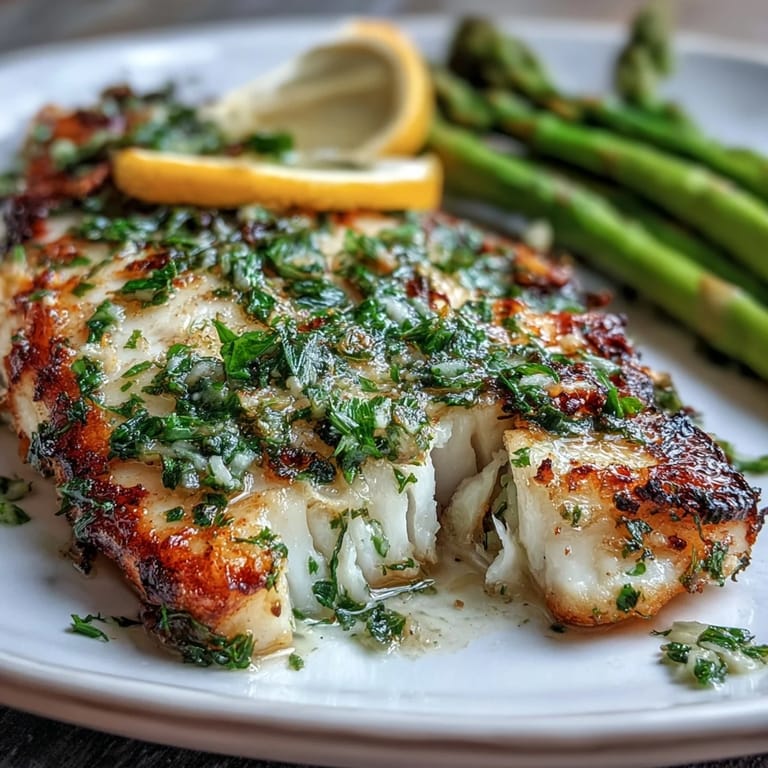
Save Cooking this dinner means you're choosing brightness and health without sacrificing the kind of satisfaction that keeps you coming back. It's proof that the best meals don't need hours in the kitchen or a long ingredient list.
Recipe Guide
- → Can I use frozen tilapia fillets?
Yes, frozen tilapia works well for this dish. Thaw the fillets completely in the refrigerator overnight or under cold running water before patting them dry and applying the herb mixture.
- → What other fish varieties can I substitute?
Cod, sole, halibut, or mahi-mahi make excellent alternatives. Adjust cooking time slightly depending on the thickness of your chosen fillets—thinner cuts may need a minute or two less in the oven.
- → How do I know when the fish is done?
The fish is ready when it flakes easily with a fork and appears opaque throughout. The internal temperature should reach 63°C (145°F) when measured with a food thermometer.
- → Can I grill the asparagus instead of steaming?
Absolutely. Grill the asparagus over medium-high heat for 3–4 minutes per side until tender with light char marks. Toss with olive oil and seasonings before grilling for best results.
- → How should I store leftovers?
Store leftover fish and asparagus in an airtight container in the refrigerator for up to 2 days. Reheat gently in the oven at 160°C (325°F) for about 10 minutes, or enjoy cold over a bed of mixed greens.
- → Is this suitable for meal prep?
This dish works wonderfully for meal prep. Cook everything ahead and portion into containers. The flavors actually improve after a day in the refrigerator as the herbs and lemon have time to meld with the fish.