 Save
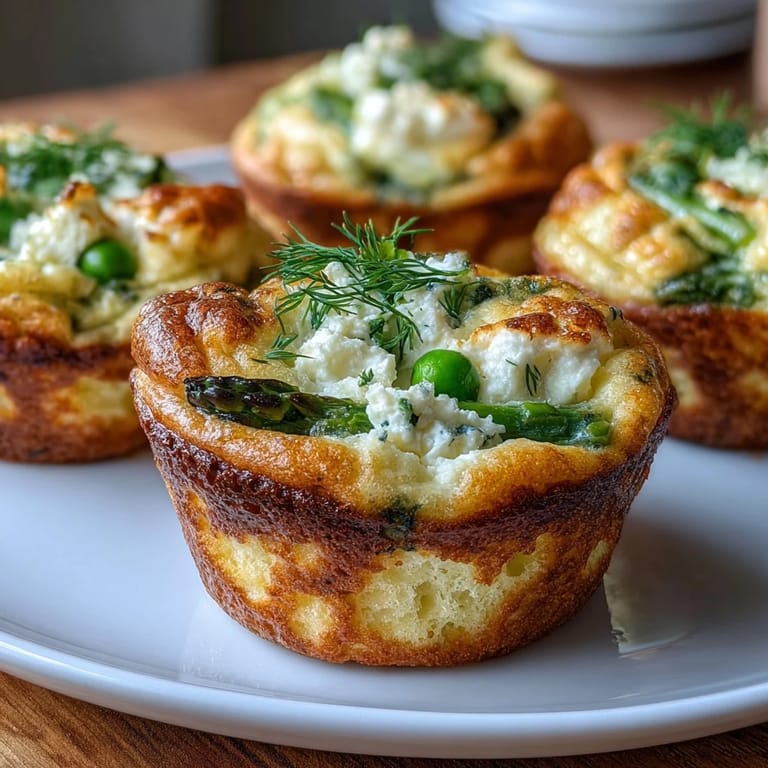
Save There&aposs an undeniable sense of brightness in the kitchen when spring vegetables start appearing at the market. Last April, with one of those too-early-to-be-so-sunny mornings, I found myself craving something light but substantial. A quick scan of my fridge revealed bunches of asparagus and a carton of eggs calling my name. Before I knew it, I was cracking eggs and chopping dill, with the window cracked open to let the cool morning air mingle with the hopeful scent of parsley. That&aposs how these Spring Frittata Muffins came to be a fixture in my meal prep—and they never fail to bring a smile to my face.
One weekend, I made a double batch for an impromptu family brunch, and the kitchen was abuzz—everyone circling back for seconds while debating who got the muffin with the most feta. My little cousin excitedly pointed out the flecks of green in hers, declaring them &aposspring cupcakes.&apos Having a main dish that can spark conversation and wonder, even with kids, feels like a small triumph on otherwise ordinary mornings.
Ingredients
- Eggs: The backbone of frittata muffins—using large, fresh eggs gives the best lift and fluff, especially when whisked thoroughly until bubbles appear.
- Whole milk: Keep the muffins tender and moist—a splash of dairy-free milk works if you want to switch it up.
- Feta cheese: This crumbly cheese adds a salty, tangy pop; I learned to sprinkle a few extra bits atop each muffin for extra flavor hits.
- Parmesan cheese: For an extra savory note and rich crust, grate it fresh if you can.
- Salt and black pepper: Season thoughtfully; I taste the mixture before filling muffin cups to calibrate the salt.
- Asparagus: Trimmed and sliced thin, asparagus brings a snappy texture—I snap the stems to find their tender spot.
- Peas: Fresh are a delight, but frozen work just as well and offer a sweet bite—don&apost overcook them.
- Baby spinach: A quick chop ensures it wilts evenly and disappears nicely into the muffins without watery pockets.
- Scallions: Sliced thin for a gentle onion note; mix throughout to avoid any one muffin being too oniony.
- Red bell pepper: Adds color, crunch, and a bit of sweetness—dice small to let the flavors mingle.
- Fresh dill: This herb is what gives your muffins their spring vibe—if you&apove never tried it, just trust me and sprinkle a bit more in.
- Fresh parsley: I use curly or flat-leaf, and I chop it fine to avoid any big, leafy bites.
- Olive oil: Just enough to soften the veggies before they hit the eggs, and for greasing the muffin tin for easy slips out.
Tired of Takeout? 🥡
Get 10 meals you can make faster than delivery arrives. Seriously.
One email. No spam. Unsubscribe anytime.
Instructions
- Prep and preheat:
- Set oven to 350°F (175°C) and lightly grease your muffin tin, letting the olive oil glide along each cup—trust me, it makes cleanup less of a chore.
- Sauté your veggies:
- In your favorite skillet, warm olive oil and toss in asparagus and bell pepper, the sizzle and color are your cues; after a few minutes, peas and spinach jump in, wilting just enough to turn brilliant green.
- Mix the eggs:
- While the veggies cool, grab a bowl and whisk eggs, milk, feta, Parmesan, dill, parsley, salt, and pepper until the mix looks cheerful and flecked with green and white.
- Combine everything:
- Gently fold cooled veggies and scallions into your eggs, making sure everything is evenly distributed and nothing clumps to one side.
- Fill and bake:
- Divide the bright batter among muffin cups—about three quarters full is perfect, and they puff up like little clouds as they bake.
- Check doneness:
- After 18 minutes, peek in; the muffins should be set in the middle and kissed with gold on top—give them another couple minutes if needed for your oven.
- Cool and serve:
- Let them relax in the pan for five minutes, then run a knife around each one (gently, they are delicate) and lift them out; enjoy warm or tuck away for meals later in the week.
 Save
Save 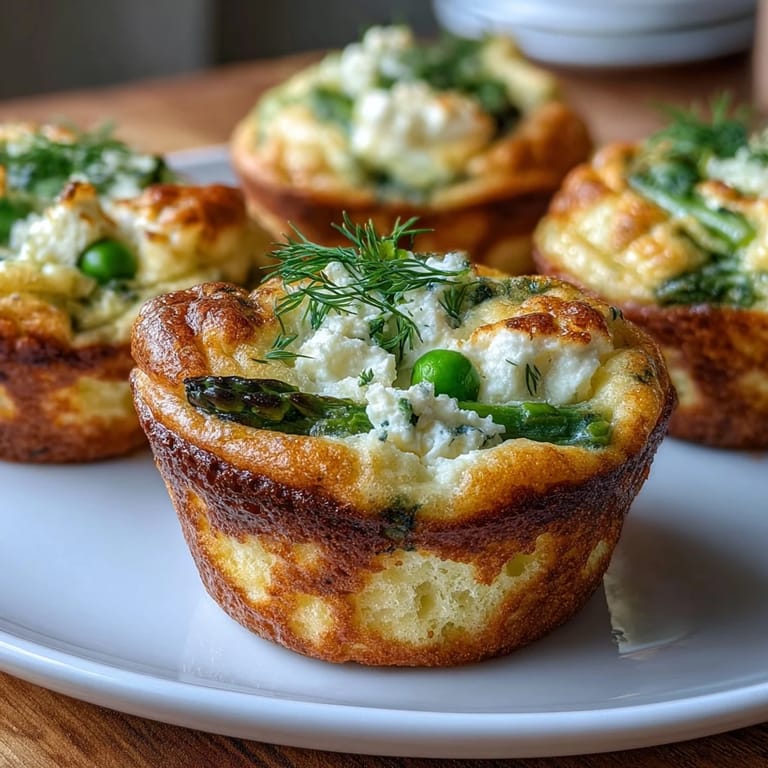 Save
Save The first time these frittata muffins disappeared before my coffee was even gone, I realized they had earned a permanent place in my breakfast rotation. There&aposs something special about food that makes everyone, even sleepy family members, get up and gather around the kitchen for just one more bite.
Mix-ins That Make It Yours
In my kitchen, the frittata muffin formula always flexes—sometimes it&aposs sun-dried tomatoes or a handful of smoked salmon, and other times, whatever lonely herb is waiting in the crisper just gets tossed in. Playing with different cheeses (think sharp cheddar or even a tiny bit of blue cheese) can instantly reinvent the character of the muffin. Even leftover roasted vegetables happily join the mix and make every batch a tiny bit different.
Storage and Meal Prep Notes
Once cooled, these muffins keep their bounce and flavor tucked in an airtight container for up to four days in the fridge. A few moments in the microwave or toaster oven revive them beautifully, and I often grab a couple for a walking breakfast when I&aposm running out the door. If you freeze them, wrap individually so they don&apost stick together—just adding 30 seconds to the reheating time delivers a piping hot snack or breakfast.
Making It Brunch-Ready
Turning these into a brunch showpiece is as simple as piling them on a platter with lemony greens and good bread—even the pickiest eaters can find a favorite. Once, my neighbor brought over fresh basil and we sprinkled it on right before serving, adding an unexpected new twist that had everyone talking about the &aposchef&aposs secret.&apos
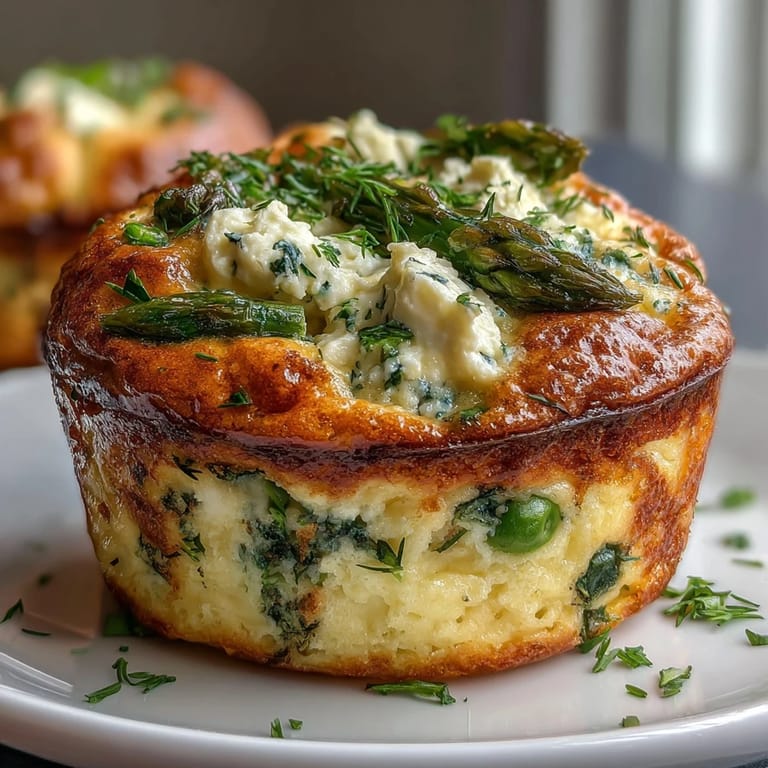
- Sprinkle extra cheese on top before baking for a lovely golden finish.
- If packing for lunch, tuck a muffin into a small container with cherry tomatoes and cucumber slices.
- Always check for doneness with a gentle press—if it springs back, it&aposs ready.
 Save
Save 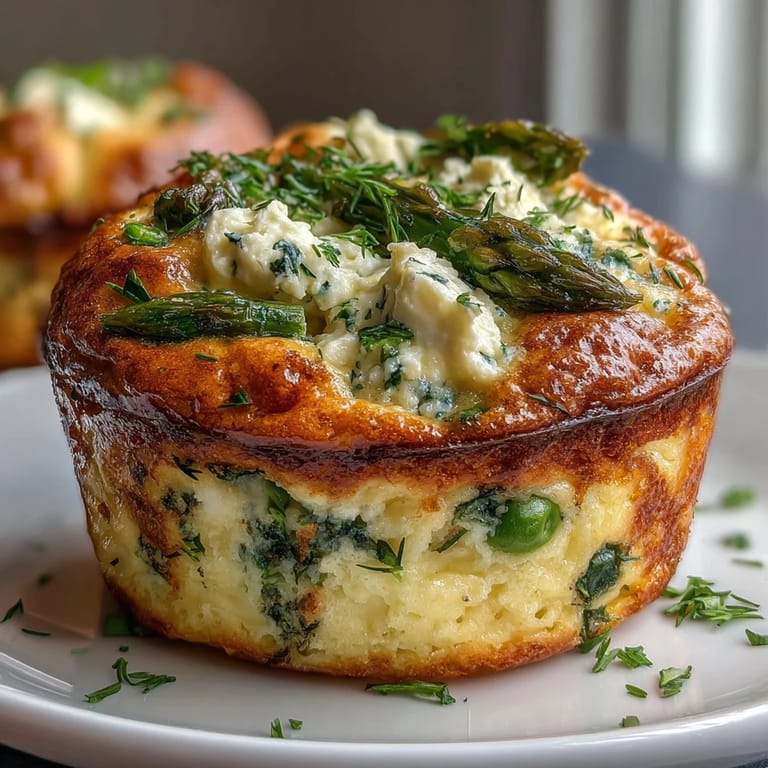 Save
Save May every bite remind you that simple ingredients and a bit of springtime cheer can bring real joy to any morning or midday snack. Here&aposs to welcoming brighter days, one muffin at a time.
Recipe Guide
- → How do I prevent soggy centers?
Sauté vegetables until just tender and let them cool slightly before folding into the egg mixture; avoid overfilling each cup and bake until jars are set to the center to ensure a firm texture.
- → Can these be frozen?
Yes. Cool completely, wrap individually or place in an airtight container, and freeze up to 2 months. Thaw overnight in the fridge and reheat gently in a low oven or microwave.
- → What dairy-free swaps work best?
Use a plant-based milk and replace feta and Parmesan with a firm dairy-free cheese or omit cheese and boost herbs and a pinch of nutritional yeast for umami.
- → How do I adjust for larger eggs or altitude?
Large eggs are standard; if using extra-large, reduce milk slightly to keep custard firm. At high altitude, bake a few minutes longer and check doneness earlier to avoid drying.
- → Can I add meat or other vegetables?
Yes. Fold in cooked bacon, diced ham, or smoked salmon for a non-vegetarian option. Swap or add vegetables like zucchini or mushrooms—sauté first to remove excess moisture.
- → What are good serving suggestions?
Serve warm or at room temperature with a simple green salad or crusty bread. They also work well packed for lunches or as part of a brunch spread.