 Save
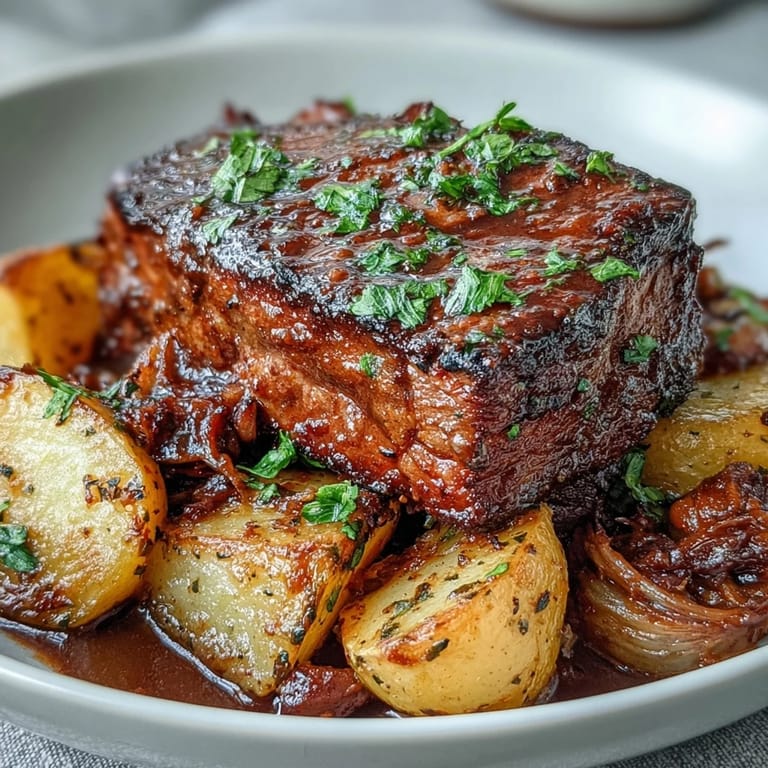
Save There's something about the smell of beef stew simmering all day that makes a house feel like home, even if you're just renting the place. I discovered this recipe on one of those gray afternoons when I realized I had nothing but time and a slow cooker, and somehow it turned into something my friends still ask me to make. The beef gets so tender it practically dissolves on your tongue, and the root vegetables soak up all that rich, wine-dark broth like they were made for each other. It's the kind of dish that fills your kitchen with warmth before it ever reaches your bowl.
My neighbor knocked on my door at 5 PM one October with her kids trailing behind, asking if something was wrong because her house smelled like my house, which didn't make sense until she followed the aroma back to my kitchen and found this stew bubbling away. I had made it almost by accident, but she insisted on staying for dinner, and now every fall she texts me asking if it's stew season yet. It became one of those recipes that bridges the gap between "just cooking" and "actually feeding people's souls," if that makes sense.
Ingredients
- Beef chuck, cut into 1.5-inch cubes (2 lbs/900 g): Chuck has the perfect fat-to-lean ratio for slow cooking—it breaks down into tender strands rather than staying tough.
- Kosher salt and black pepper (1/2 tsp each): Season the beef generously before searing to build a flavorful crust that anchors the whole dish.
- Carrots, cut into 1-inch pieces (3 large): They soften beautifully but hold their shape if you don't chop them too small.
- Parsnips, sliced (2): These add a subtle sweetness that rounds out the earthiness of the other roots—don't skip them.
- Yukon Gold potatoes, chopped into chunks (2 large): They're waxy enough not to turn to mush after 8 hours, unlike russets.
- Yellow onion, diced (1 large): Dicing it fine helps it dissolve into the broth and build flavor throughout.
- Celery stalks, sliced (3): The backbone of the aromatic base—it's doing more work than you think.
- Garlic, minced (3 cloves): Add it to the slow cooker raw so it stays bright and doesn't burn.
- Tomato paste (2 tbsp): A concentrate of umami that deepens the broth without making it acidic.
- Worcestershire sauce (1 tbsp): The secret ingredient that makes people ask what's in this, even though it's subtle.
- Bay leaf (1): Remove it at the end—trust me on this, I've had the hard conversation about biting into one.
- Dried thyme and dried rosemary (1 tsp each): Dried herbs are stronger here than fresh, so don't swap them without reducing the amount.
- Beef broth (4 cups/950 ml): Check the label for gluten and sodium—some broths are saltier than others.
- Dry red wine (1 cup/240 ml): It adds complexity and helps tenderize the beef; use something you'd actually drink.
- Cornstarch and cold water (2 tbsp each): The slurry is how you get that restaurant-quality thickness without flour.
Tired of Takeout? 🥡
Get 10 meals you can make faster than delivery arrives. Seriously.
One email. No spam. Unsubscribe anytime.
Instructions
- Season and sear the beef:
- Scatter salt and pepper over your beef cubes and let them sit while your skillet heats until it's almost smoking. You want a deep golden crust on each piece—it only takes about 3 minutes per batch, and it's worth the extra step because you're building flavor that can't be rushed in a slow cooker.
- Transfer everything to the slow cooker:
- Pile in the browned beef, then add all your vegetables and aromatics. Don't worry about layering perfectly; just get everything in there.
- Build the braising liquid:
- Stir in the garlic, tomato paste, Worcestershire, herbs, and bay leaf first so they distribute evenly before you add the liquids. The tomato paste especially should get a moment to toast slightly in the residual heat.
- Pour and cover:
- Add the broth and wine, give everything a gentle stir, then cover and set your slow cooker to low. This is where patience becomes an ingredient—eight hours transforms tough meat into something almost creamy.
- Thicken at the end:
- Mix your cornstarch and cold water in a small bowl until it's completely smooth, then stir it into the hot stew. Turn the heat to high and cook uncovered for 15 minutes so the starch granules have time to swell and thicken everything.
- Finish and taste:
- Fish out that bay leaf, then taste the stew and adjust salt and pepper if it needs it. Some broths are saltier than others, so this matters.
 Save
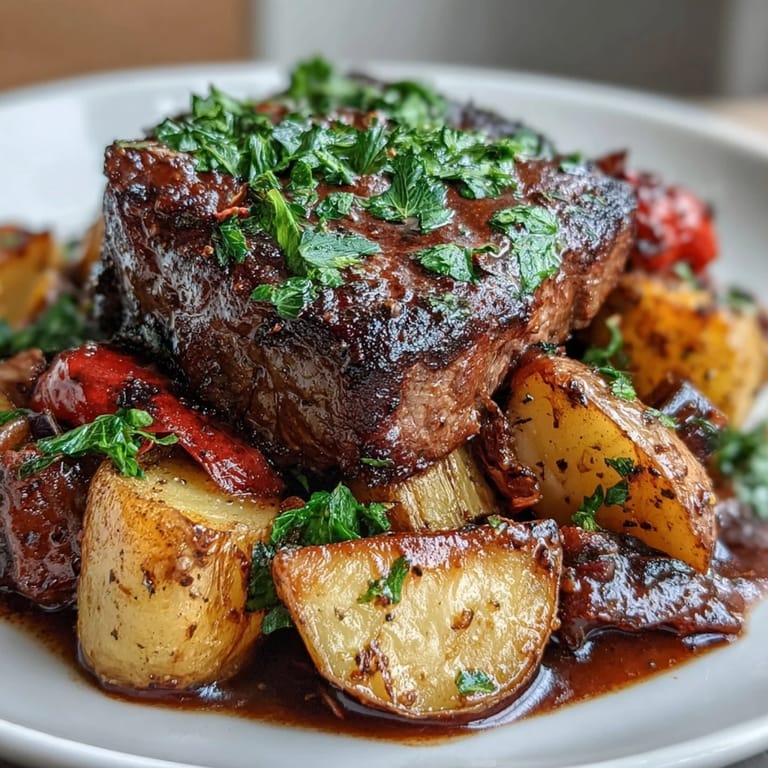
Save There was this one night when my sister made this stew for me after I'd had a really rough week, and I realized it wasn't just about the food—it was about someone caring enough to spend a whole day making something that would comfort me. That's when cooking stopped being about following a recipe and became about the time and intention behind it.
Customizing Your Stew
This stew is incredibly forgiving, which is part of why it's so good for beginners. In the last hour of cooking, you can add a cup of sliced mushrooms for earthiness, or stir in a handful of frozen peas for brightness and sweetness. Some people swap the Yukon Golds for sweet potatoes, which gives the whole thing a warmer, almost autumn-dessert vibe. If you're cooking for someone who doesn't drink, just use more broth instead of wine—the stew won't taste like alcohol anyway after 8 hours, but the broth will do the same job of building depth.
Serving and Storing
Crusty bread is the obvious move, but I've also spooned this over mashed potatoes, egg noodles, and even polenta, and it's been perfect every time. The stew keeps in the refrigerator for up to 4 days and actually tastes better on day two when all the flavors have had time to mingle. You can freeze it for up to 3 months, though I rarely make it that far ahead because someone always asks me to bring it somewhere.
The Details That Matter
One thing I learned is that the slow cooker does most of the heavy lifting here, but the small choices still matter—the quality of your beef, the kind of broth you use, even when you add the salt at the end instead of the beginning. It's not a complicated recipe, but it rewards paying attention. The vegetables shouldn't be cut too small or they'll fall apart; the beef should be cut uniformly so it cooks evenly; and the liquid should barely cover everything so it reduces into something rich instead of staying thin and watery.
- Taste as you go and adjust seasoning at the very end when you can actually taste everything together.
- If your stew is too thin after cooking, the cornstarch slurry will fix it, but if it's too salty, it's harder to undo.
- Letting the stew rest for 10 minutes after you're done cooking helps the flavors settle and makes it taste more coherent.
 Save
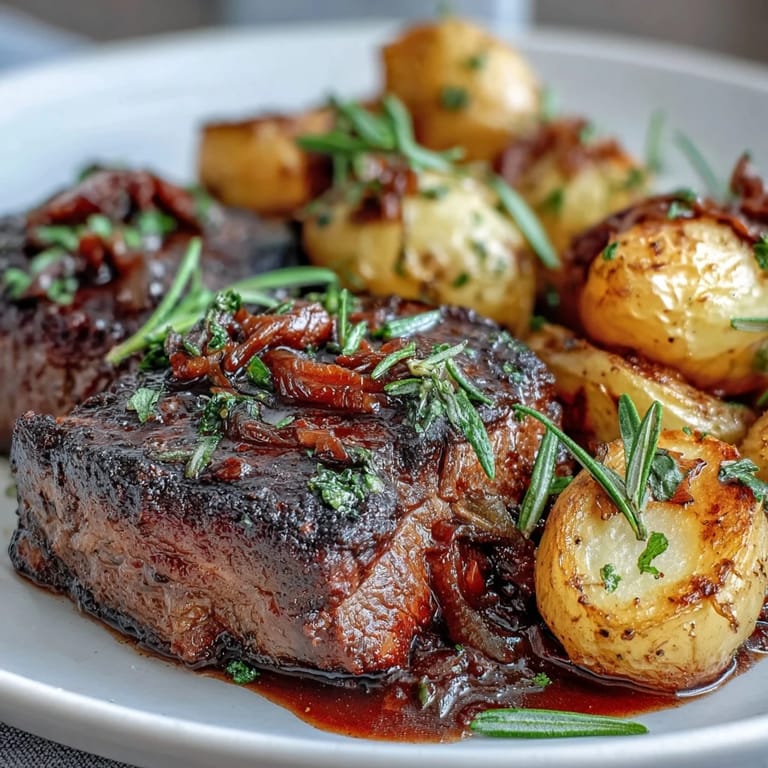
Save This stew has become my answer to almost every question: when someone's sick, when we need comfort food, when I want to feel like I'm taking care of people. It's simple enough that you can make it on a busy day, but good enough that everyone will think you spent hours in the kitchen.
Recipe Guide
- → What cut of beef works best for this stew?
Beef chuck is ideal for slow cooking as it becomes tender and flavorful over long hours.
- → Can I use other vegetables instead of the listed root vegetables?
Yes, sweet potatoes or mushrooms can be added to vary the flavor and texture.
- → Is the red wine necessary for the flavor?
Red wine adds depth but can be replaced with extra broth for an alcohol-free option.
- → How can I thicken the stew broth?
A mix of cornstarch and cold water stirred in at the end gives the broth a rich, thick texture.
- → What is the best way to serve this dish?
Serve hot with crusty bread or over creamy mashed potatoes for a hearty meal.