 Save
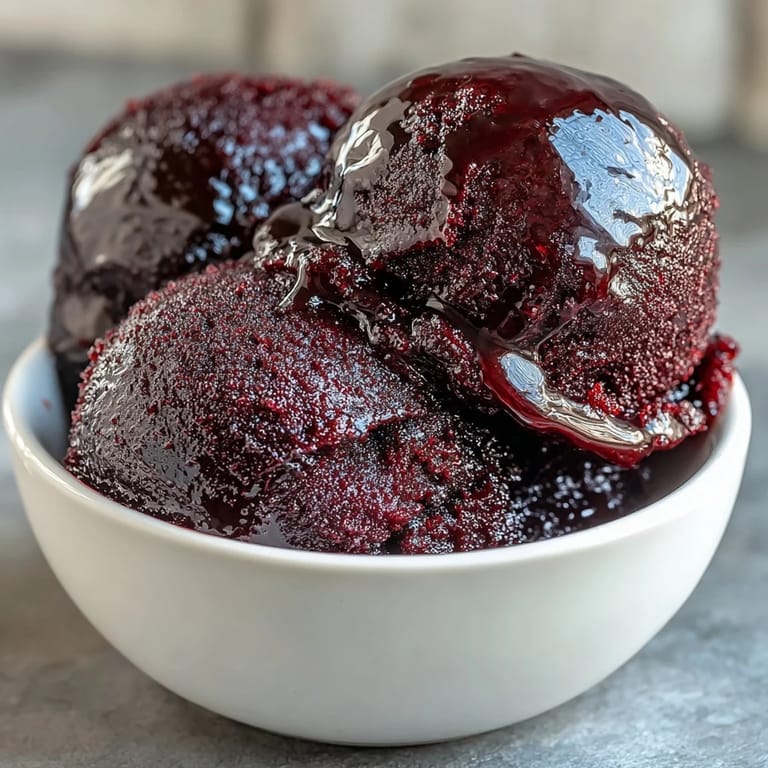
Save There's something almost magical about black currants—those tiny, dark orbs that stain your fingers deep purple and taste like summer distilled into fruit. I discovered this sorbet completely by accident, actually, when a friend arrived at my door with a container of frozen currants from her garden and challenged me to do something interesting with them. What started as an experiment in my kitchen that afternoon became one of those recipes I now make whenever I want to impress people without spending hours in front of the stove.
I'll never forget serving this to my neighbor who's a pastry chef, and watching her face light up when she tasted it. She immediately asked for the recipe, then added a splash of cassis before churning it—which I now do every time because she was absolutely right about how it deepens everything. That single moment made me realize this wasn't just a nice summery thing I'd stumbled upon; it was actually something special.
Ingredients
- Black currants (500 g): Fresh or frozen work equally well, though frozen are often easier to find and honestly just as flavorful—the key is removing any stems, which can add bitterness if you're not careful.
- Granulated sugar (200 g): This creates the sorbet's smooth, scoopable texture by lowering the freezing point, so don't skip it thinking you can use honey instead.
- Water (200 ml): Acts as your base and helps extract all that deep, jammy flavor from the currants as they cook.
- Freshly squeezed lemon juice (1 tablespoon): This isn't just seasoning—it brightens the dark richness and prevents the sorbet from tasting one-note or heavy.
Tired of Takeout? 🥡
Get 10 meals you can make faster than delivery arrives. Seriously.
One email. No spam. Unsubscribe anytime.
Instructions
- Build your flavor base:
- Combine the currants, sugar, and water in a medium saucepan and bring everything to a gentle boil over medium heat, stirring occasionally until the sugar dissolves completely. You'll notice the berries starting to split and release their juice—that's exactly what you want, so let it simmer for about 5 minutes until the kitchen smells intensely fruity and dark.
- Make it silky smooth:
- Once cooled for 10 minutes, blend the entire mixture until completely smooth using either a blender or immersion blender. If you're using a traditional blender, work in batches and be careful with the heat—that mixture is still quite warm.
- Remove the grittiness:
- Press the puree through a fine-mesh sieve into a bowl, using the back of a spoon to extract every last drop of liquid while leaving behind the seeds and skins. This step might feel tedious, but it's what separates a velvety sorbet from something grainy and unpleasant.
- Season and chill:
- Stir in the lemon juice, taste it, and adjust the sweetness if needed—remember that freezing makes flavors slightly muted, so don't be shy. Cover the bowl and refrigerate for at least an hour until it's completely cold to the touch.
- Churn to perfection:
- Pour the chilled mixture into your ice cream maker and churn according to the manufacturer's instructions, usually about 20 to 30 minutes. The sorbet will go from liquid to soft-serve consistency, becoming paler and fluffier as air incorporates throughout.
- Final freeze:
- Transfer everything to a freezer-safe container, press plastic wrap directly onto the surface to prevent ice crystals, and freeze for at least 3 hours until completely firm. You can make this a day or two ahead without any loss of quality.
- Serve with softness:
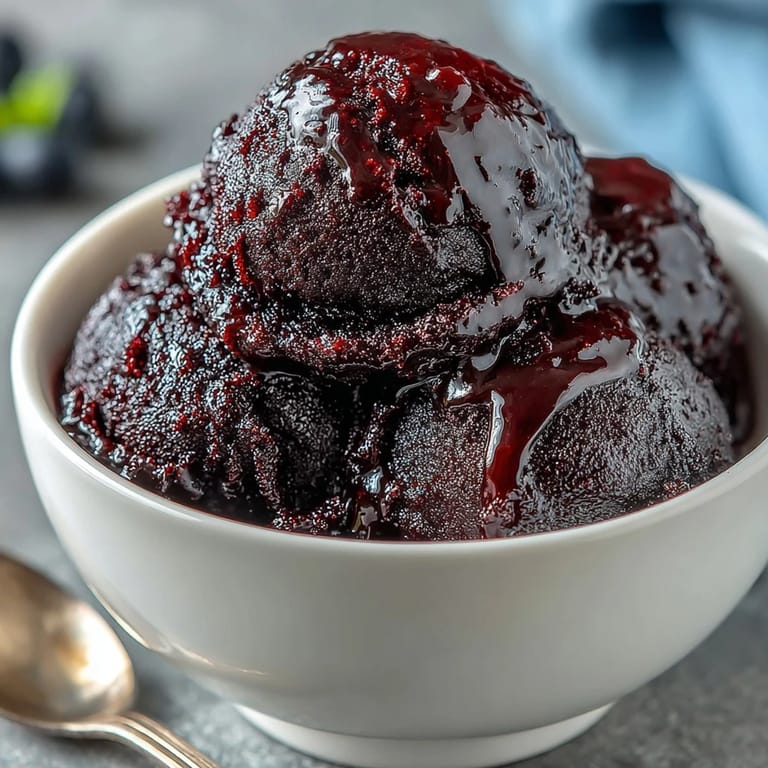
- Let the sorbet sit at room temperature for just a few minutes before scooping so it's not rock-hard—usually about 3 to 5 minutes depending on how cold your freezer runs. This small step makes scooping easier and lets the flavor actually shine on your tongue.
 Save
Save There was this one evening when I served this sorbet after a heavy dinner, and I watched everyone's tired faces suddenly come alive—it was like watching a light switch flip. That's when I understood that sometimes the most elegant, memorable moments in food come not from complexity, but from something pure and perfectly executed.
The Black Currant Advantage
Black currants are criminally underused in American kitchens, which is a shame because they have a depth of flavor that red currants or raspberries simply can't match. They're naturally tart without being aggressively sour, and that complexity means your sorbet tastes sophisticated rather than like a fruity popsicle. If you can only find them frozen, that's genuinely fine—they've already been picked at peak ripeness, and freezing actually helps break down the cell walls, releasing more flavor into your mixture.
Texture Matters More Than You'd Think
The difference between a great sorbet and a mediocre one comes down to a few technical details that honestly seem small but compound into something noticeable. The sugar-to-liquid ratio affects how smoothly it freezes, which is why I stick to these exact measurements rather than eyeballing it. An ice cream maker is really essential here—you can't achieve that silky texture by hand-stirring in the freezer, no matter how determined you are or how often you check on it.
Serving & Flavor Variations
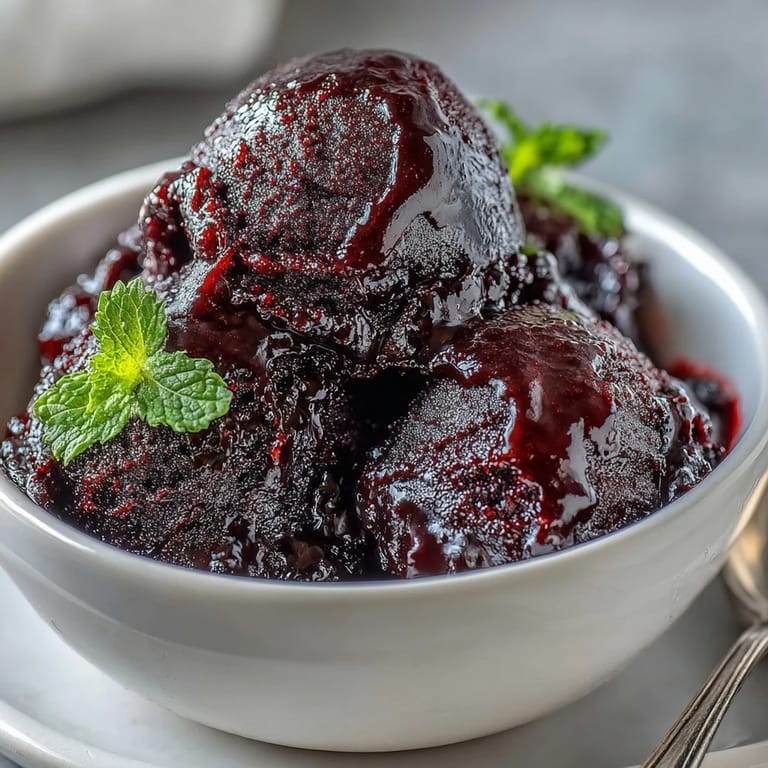
I've learned that how you serve this sorbet changes how people experience it, and those little details are worth considering ahead of time. A small scoop alongside sparkling wine feels completely different from a generous bowl with fresh mint, yet it's the exact same base recipe. The tartness makes it endlessly versatile—it's equally at home as a palate cleanser between courses or as a simple weeknight dessert topped with nothing at all.
- Add a teaspoon of cassis liqueur before churning for a deeper, almost wine-like complexity that honestly tastes incredibly elegant.
- Serve with fresh mint leaves or a light dusting of freeze-dried currants for an extra visual and textural touch.
- A small splash of sparkling wine poured over each scoop right before serving creates an unexpectedly magical combination.
 Save
Save This sorbet has quietly become one of those recipes that shows up in my life at just the right moments—easy enough for Tuesday nights, elegant enough for dinner parties, and beautiful enough to feel like you've done something special. Once you've made it once, you'll understand why I keep coming back to it.
Recipe Guide
- → Can I use frozen black currants for this sorbet?
Yes, frozen black currants work well. Thaw slightly before cooking for best results.
- → How do I remove seeds from the sorbet mixture?
After pureeing, strain the mixture through a fine-mesh sieve using a spoon to press out the liquid, leaving seeds behind.
- → Is it possible to substitute sugar with another sweetener?
You can try alternatives like agave or maple syrup, but adjust liquid amounts accordingly to maintain texture.
- → What is the purpose of lemon juice in this sorbet?
Lemon juice enhances the tartness and balances the sweetness while preserving the vibrant color.
- → How long should the sorbet freeze to achieve the right consistency?
Freeze for at least 3 hours after churning to ensure a firm texture before serving.
- → Can I add alcohol to enhance the flavor?
Adding a teaspoon of cassis liqueur before churning deepens flavor without affecting freezing significantly.