 Save
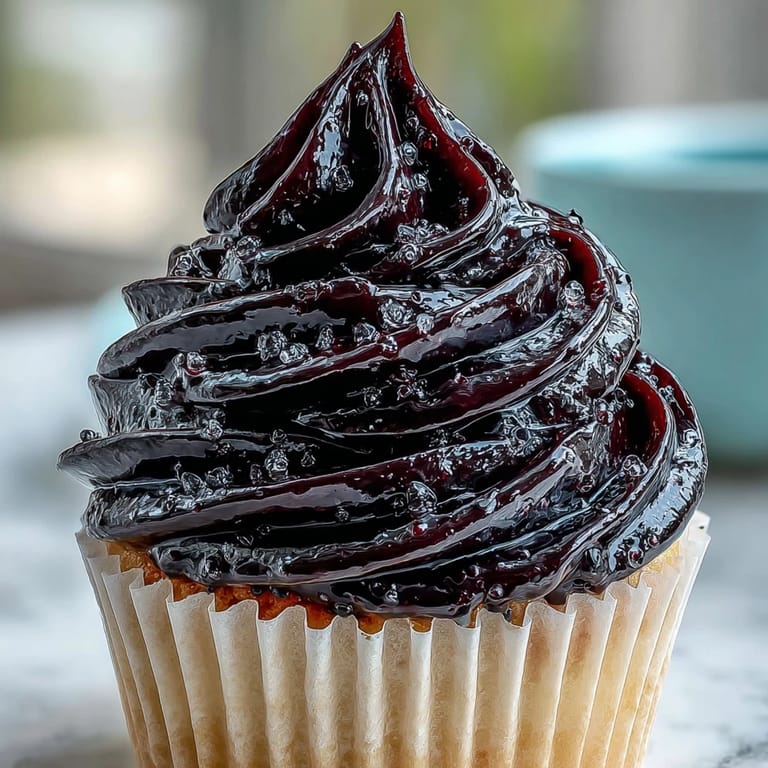
Save Black currant frosting arrived in my kitchen quite by accident—I'd bought a jar of preserves at a farmers market, charmed by the deep purple color and the vendor's insistence that it was nothing like the jams I'd known before. That weekend, I was frosting cupcakes for a friend's birthday and wondered what would happen if I beat that jewel-toned jam into butter and sugar. The result was so silky, so perfectly balanced between tart and sweet, that I've made it dozens of times since.
I'll never forget piping this frosting onto mini lemon cakes for a spring tea party—the dark purple against pale yellow was so striking that guests started taking photos before even tasting them. One woman asked if I'd used food coloring, and when I explained it was just black currant, she looked genuinely surprised that something so vibrant could come from actual fruit. That's when I realized this frosting had moved beyond just being delicious; it had become conversation.
Ingredients
- Black currant jam or preserves: Seedless varieties work best, but even seeded jam can be strained if you want that extra-smooth finish—the heat will loosen it into something almost liquid and deeply flavored.
- Water: Just a splash to help the jam melt smoothly into the frosting without clumping.
- Unsalted butter: Room temperature is non-negotiable here; cold butter will fight you every step of the way and create a grainy texture.
- Powdered sugar: Sifting it beforehand prevents lumps that no amount of beating can fix.
- Vanilla extract: A small but essential anchor that keeps the frosting from tasting flat or one-note.
- Salt: A pinch that heightens the black currant flavor and balances sweetness so the frosting doesn't cloy.
- Lemon juice: Optional but revelatory—it brightens everything and keeps the frosting from feeling heavy.
- Fresh black currants: A garnish that doubles as proof that this frosting came from somewhere real and wonderful.
Tired of Takeout? 🥡
Get 10 meals you can make faster than delivery arrives. Seriously.
One email. No spam. Unsubscribe anytime.
Instructions
- Prepare the black currant base:
- Combine the jam with water in a small saucepan and heat gently, stirring occasionally until it becomes smooth and slightly loosened—you're aiming for something pourable but still deeply colored, about 2 to 3 minutes. Let it cool completely on the counter while you move on; warm jam will melt the butter into an oily mess.
- Cream the butter:
- Beat softened butter on medium speed for 2 to 3 minutes until it's noticeably pale and fluffy, almost like soft serve ice cream. This step incorporates air and sets the stage for everything that comes next.
- Add the powdered sugar:
- Sprinkle it in gradually while beating on low speed, adding more only once the previous addition is fully blended. This patience prevents clouds of sugar from escaping the bowl and keeps lumps from forming.
- Season and flavor:
- Mix in the vanilla extract and a small pinch of salt, beating just until combined. The salt seems like nothing, but it's your secret weapon for making the black currant flavor pop.
- Fold in the fruit:
- Add the cooled black currant mixture and beat on medium until completely smooth and uniform in color—no streaks, no swirls, everything one gorgeous shade of purple. Scrape down the sides of the bowl with a spatula as you go to catch any stubborn pockets.
- Add brightness if you like:
- Taste and consider whether a teaspoon or two of lemon juice would push it into something even more alive. Beat it in and taste again before committing to more.
- Rest if needed:
- If the frosting feels too soft or slippery, chill it for 10 to 15 minutes in the refrigerator, then give it a quick re-whip with the mixer to restore its structure. Cold frosting becomes stiff but still spreadable.
- Frost and garnish:
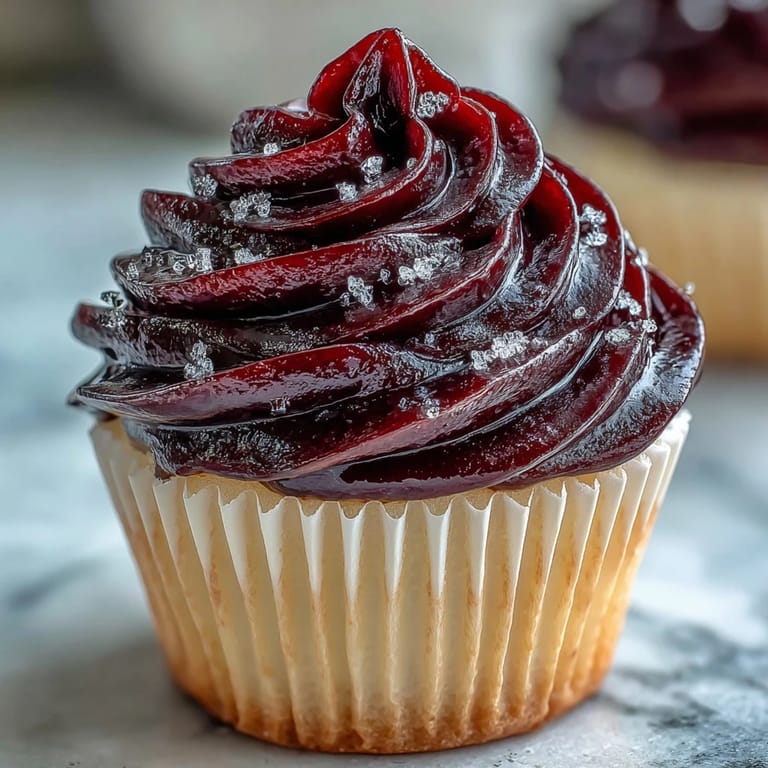
- Spread or pipe onto cooled cupcakes, layer cakes, or petit fours—it pipes beautifully and holds its shape. Crown with a fresh black currant if you have them, or simply admire the color you've created.
 Save
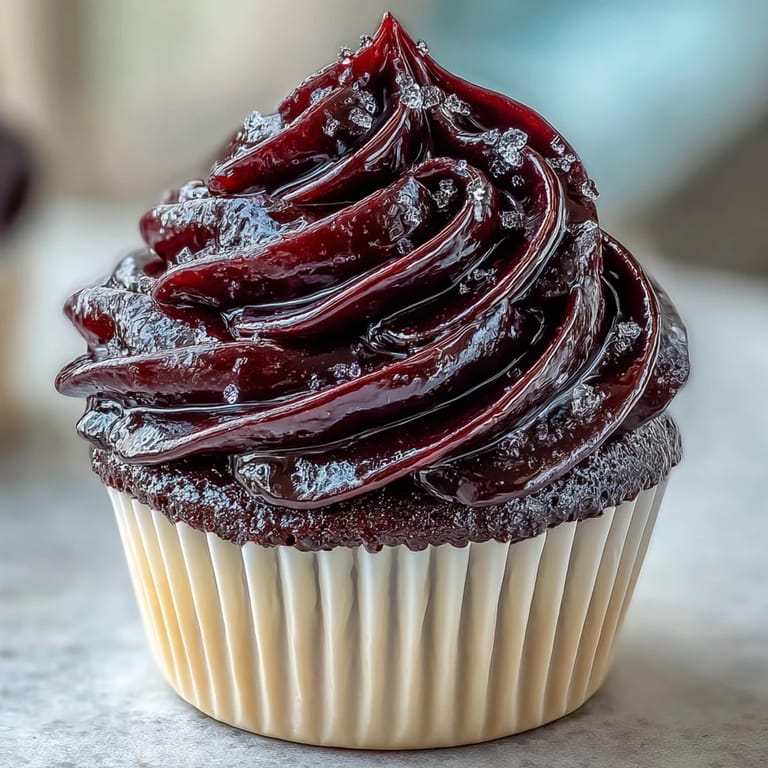
Save There's a moment when you first beat that deep purple jam into pale butter and sugar, and the whole thing transforms into something that looks almost gemstone-like in its shine and color. My daughter once watched me make this and asked if I'd made it from magic—and honestly, watching chaos become order in a mixer bowl does feel a bit like that.
Texture and Consistency
The beauty of this frosting is that it's forgiving about texture once you understand the relationship between temperature and spreadability. If you find it's too soft after mixing, a brief chill in the refrigerator transforms it without any loss of flavor—just give it a quick whip with the mixer afterward to bring back the air and fluffiness. If it ever becomes too stiff, a tiny splash of milk or cream (literally a teaspoon at first) loosens it right back up while keeping it stable enough to pipe.
Cake Pairings and Flavor Balance
This frosting was born to live on vanilla or lemon cake, where its tartness becomes the perfect counterpoint to sweetness, but I've also had stunning success on darker cakes—devil's food, chocolate, even spiced cakes where the black currant adds a slightly jammy, sophisticated note. The acidity in the jam cuts through richness in ways that pure butter frosting never could, making every bite feel more dynamic and alive. If you're pairing with chocolate, consider skipping the lemon juice; the currant-chocolate combination is already quite special on its own.
Storage and Make-Ahead Options
This frosting is happy at room temperature for a full day if your kitchen isn't too warm, but refrigeration is its friend if you're making it ahead—it keeps beautifully for up to five days in a covered container. The moment you pull it from the cold, let it sit for a few minutes before re-whipping it; this brings back the fluffiness and ensures it spreads or pipes smoothly without any stiff edges. You can even freeze it for up to a month if needed, though re-whipping becomes even more important to restore its texture.
- Always cover the frosting in the refrigerator or freezer to prevent it from absorbing odors or drying out.
- Bring it fully to room temperature before re-whipping—cold frosting won't incorporate air properly.
- If you're frosting a cake that will sit for hours, refrigerate the finished cake briefly to help the frosting set before serving at room temperature.
 Save
Save This frosting has become my answer to the question of how to make something ordinary feel special—it takes no real skill, just patience and good ingredients. Every time I frost something with it, I think of that farmers market morning and the unexpected magic of asking what-if.
Recipe Guide
- → Can I use fresh black currants instead of jam?
While fresh black currants can be cooked down into a reduction, using seedless black currant jam or preserves provides consistent flavor and texture without the extra preparation time.
- → How should I store this frosting?
Store covered at room temperature for up to 1 day, or refrigerate for up to 5 days. Before using refrigerated frosting, bring to room temperature and re-whip until smooth and creamy.
- → Can I make this frosting ahead of time?
Yes, prepare the frosting up to 5 days in advance and refrigerate. Let it come to room temperature, then re-whip with an electric mixer before frosting your baked goods.
- → What cakes pair best with this frosting?
This tangy-sweet frosting complements vanilla, lemon, and chocolate cakes beautifully. It also works wonderfully on petit fours, sponge cakes, and even as a filling for macarons.
- → How can I adjust the consistency?
Add more sifted powdered sugar for a stiffer frosting that holds detailed piping. For a softer, spreadable consistency, incorporate a splash of milk or cream until you reach your desired texture.