 Save
Save There's something almost meditative about zucchini soup on a humid afternoon when the garden has overflowed and you're standing at the counter wondering what to do with yet another armful of green squash. A friend mentioned this recipe while we were both lamenting the abundance, and I made it that same evening, not expecting much from something so simple. The moment that first spoonful hit my tongue—silky, bright, whisper-soft with herbs—I understood why she'd raved about it. It became my go-to answer when people asked what to make with summer's surplus.
I served this to my sister on a sweltering July day when nobody wanted anything heavy, and she ate three bowls in a row, which says everything about how satisfying it actually is despite its delicate appearance. That afternoon taught me that the best comfort food doesn't have to be complicated or rich; sometimes it's just about coaxing the sweetness out of vegetables and knowing when to stop fiddling with it.
Ingredients
- Olive oil (2 tablespoons): Use a good quality one you actually enjoy; it becomes part of the flavor here since it's not competing with heavy cream or meat.
- Onion and celery (1 medium onion, 1 stalk): These build the aromatic foundation, softening into the broth and giving the soup invisible depth.
- Garlic cloves (2, minced): Mince them finely so they distribute evenly and don't create harsh bites in the finished soup.
- Zucchini (4 medium, about 800 g, sliced): Choose zucchini that feel firm and unblemished; older or waterlogged ones will make the soup watery and flat.
- Potato (1 medium, peeled and diced): This creates the silky texture without needing cream; it acts as a natural thickener that feels luxurious rather than heavy.
- Vegetable broth (1 liter or 4 cups): If you have homemade broth, this is the moment to use it; the difference in flavor is noticeable.
- Cream or coconut milk (100 ml or 1/2 cup, optional): Add this at the very end if you want richness; skip it entirely if you prefer the soup to taste purely of vegetables.
- Fresh parsley, basil, and thyme (2 tablespoons parsley, 1 tablespoon basil, 1 teaspoon thyme): These herbs are not an afterthought but the soul of the soup; add them after cooking so they stay bright and alive.
- Lemon zest (from 1/2 lemon): This wakes everything up without making the soup taste citrusy; it's the secret that people can never quite place.
- Salt and black pepper (1/2 teaspoon salt, 1/4 teaspoon pepper): Taste and adjust as you go; different broths have different salt levels, so trust your palate.
Tired of Takeout? 🥡
Get 10 meals you can make faster than delivery arrives. Seriously.
One email. No spam. Unsubscribe anytime.
Instructions
- Soften the base:
- Heat olive oil in a large pot over medium heat, then add your chopped onion and celery. Let them cook for about 4 minutes, stirring occasionally, until they become translucent and smell sweet; you're coaxing out their natural sugars.
- Wake up the garlic:
- Add your minced garlic and cook for just 1 minute until the kitchen fills with that unmistakable aroma. Don't let it brown or it will taste bitter.
- Build the body:
- Stir in the sliced zucchini and diced potato, cooking for about 5 minutes while stirring occasionally. You'll notice the zucchini starting to release its moisture and the potatoes beginning to soften at the edges.
- Simmer until tender:
- Pour in your vegetable broth and bring the whole pot to a boil, then reduce the heat and let it simmer partially covered for 15 minutes. You'll know it's ready when the vegetables are so tender they practically fall apart when you press them with a spoon.
- Season with fresh life:
- Remove the pot from heat and stir in your fresh parsley, basil, thyme, and lemon zest. Let these herbs infuse into the warm soup for a minute before blending.
- Achieve silky perfection:
- Using an immersion blender, blend the soup until it's completely smooth and silky; if using a regular blender, work in batches and be careful with the hot liquid. This step transforms it from chunky vegetable soup into something refined.
- Add richness if desired:
- Stir in cream or coconut milk if you're using it, then season to taste with salt and pepper. Reheat gently if needed, being careful not to boil it after adding dairy.
- Serve with intention:
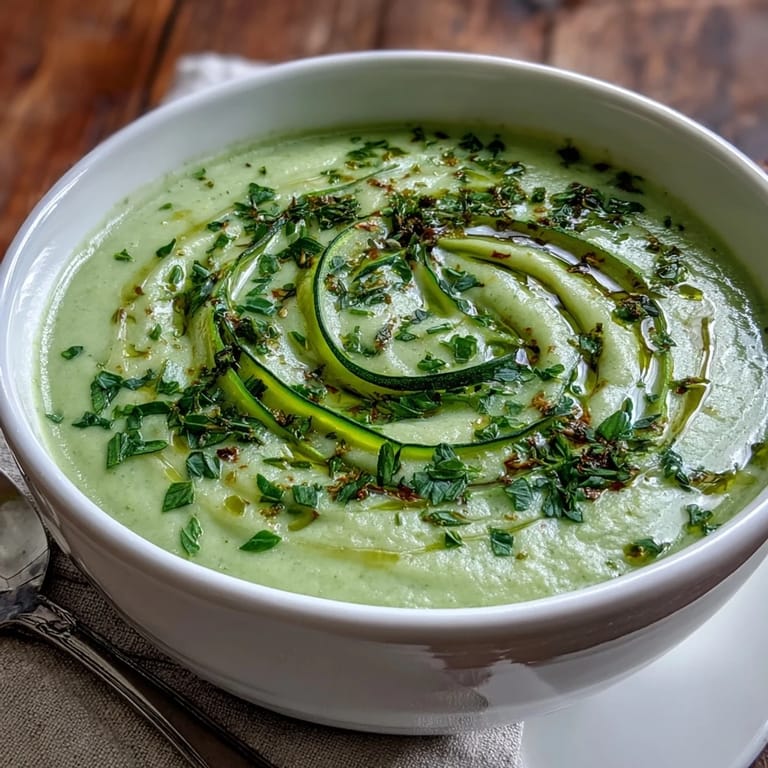
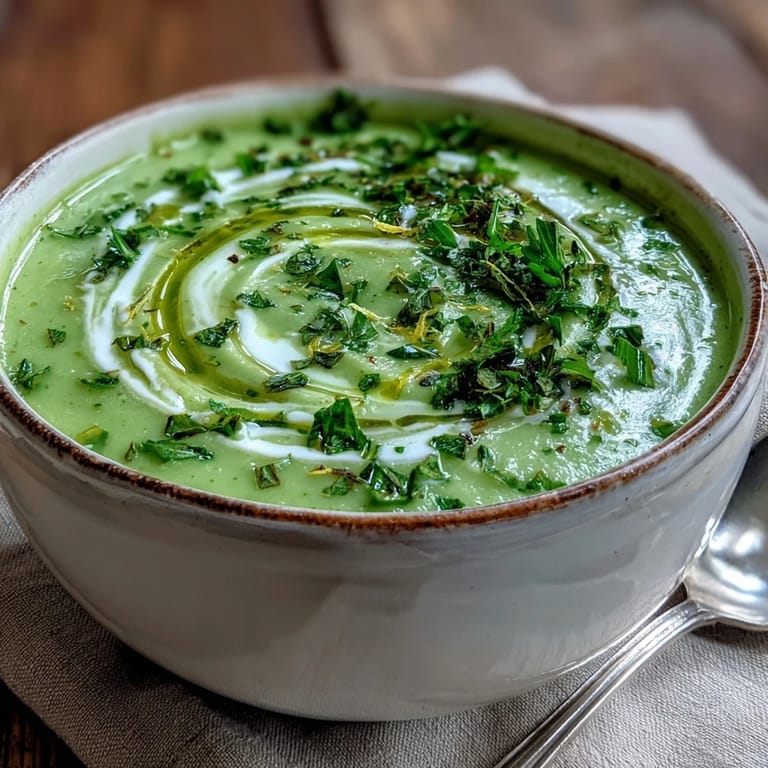
- Ladle into bowls and top with a scatter of fresh herbs and a drizzle of olive oil or a swirl of cream. You can serve it hot on cooler days or chilled as a refreshing starter on warm ones.
 Save
Save My mother made this for my niece's first week after moving to her new apartment, and watching my niece's face relax as she tasted it made me understand that food can be a quiet way of saying I'm thinking of you. A simple bowl of soup somehow said everything that needed saying that day.
Hot or Cold, Take Your Pick
The beauty of this soup is its versatility across temperatures. Serve it steaming in winter months when you want something comforting but still feel light, or chill it thoroughly and serve it on scorching days when hot food sounds impossible. I've discovered that chilled zucchini soup tastes slightly more herbaceous and bright, as if the cold somehow sharpens the flavors, while the warm version feels more enveloping and cozy.
Pairing and Serving Ideas
This soup doesn't need much to shine, but the right accompaniment transforms it into something memorable. Crusty bread for soaking up every last drop works beautifully, as does a sprinkle of toasted pumpkin seeds for texture. A glass of light Sauvignon Blanc alongside it is never a mistake; the wine's crispness mirrors the soup's freshness and they elevate each other without competing.
Making It Your Own
Once you've made this basic version, you'll start seeing endless possibilities in your kitchen. A handful of baby spinach stirred in at the end adds color and iron without changing the essential character of the soup. For a vegan version, use coconut milk instead of cream and double-check that your broth is vegetable-based; the soup is just as silky and satisfying either way. Some nights I add a small white bean or two for protein, other times I float a dollop of basil pesto on top for drama.
- Fresh dill can replace basil if that's what you have on hand, and the soup will taste like a completely different dish.
- A tiny pinch of nutmeg, added sparingly, brings out the sweetness of the zucchini without making anyone say what is that spice.
- Leftovers keep for three days in the refrigerator and freeze beautifully for up to three months; this is the kind of soup that tastes just as good reheated as it does freshly made.
 Save
Save This soup has become my answer to the question of what to make when I want to cook something that nourishes without exhausting me. It's the kind of recipe that stays simple so the vegetables can be exactly what they are: bright, honest, and completely enough.
Recipe Guide
- → Can I serve this zucchini soup chilled?
Yes, this soup works wonderfully served chilled. The silky texture and bright lemon flavors make it perfect for warm summer days. Chill thoroughly in the refrigerator for at least 4 hours before serving.
- → How do I make this soup vegan?
Substitute coconut milk or a plant-based cream alternative for dairy cream. Ensure your vegetable broth is vegan-friendly. The soup remains deliciously creamy without any animal products.
- → What's the purpose of the potato in this soup?
The potato adds natural thickness and body to the soup without making it heavy. It helps create that silky, velvety texture when blended and contributes to the overall creamy mouthfeel.
- → Can I freeze leftover zucchini soup?
Yes, freeze in airtight containers for up to 3 months. The soup may separate slightly when thawed but will reblend beautifully when reheated. Skip adding cream until after thawing if you plan to freeze.
- → What herbs work best in zucchini soup?
Fresh parsley, basil, and thyme create a lovely aromatic blend. You can also add fresh dill, chives, or mint. Add delicate herbs at the very end to preserve their bright flavors and vibrant color.
- → How can I add more protein to this soup?
Stir in white beans, lentils, or quinoa during simmering. Top with toasted pumpkin seeds, hemp hearts, or a dollop of Greek yogurt. Serve with crusty bread or a side of grilled protein.