 Save
Save The first time I tasted merguez was at a crowded street market in Tunis, the aroma so intoxicating I abandoned my original shopping list entirely. A vendor grilled them over charcoal while a line of locals waited patiently, and I watched him wrap one in paper with a squeeze of lemon and a knowing smile. That smoky, spiced heat stayed with me for weeks, and eventually I decided to try making them at home—partly to chase that memory, partly out of stubborn curiosity about what made them taste so alive.
I made a batch for friends on a summer evening, and watching their faces when they bit into them was worth every minute spent mixing and stuffing casings. One friend asked if I'd bought them from a specialty shop, and I'll admit, I let the moment linger before confessing I'd made them myself. Since then, I've made them countless times, and they've become the dish I'm quietly proud of—the one people request, the one that tastes like more than just dinner.
Ingredients
- Ground beef and lamb (250 g each): Using a blend of both meats gives you depth and a subtle sweetness from the lamb that beef alone can't achieve. Don't skip this ratio.
- Harissa paste (2 tbsp): This is your flavor backbone—it delivers not just heat but a complex, roasted depth. Some brands are hotter than others, so taste a tiny dab first if you're unsure.
- Cumin, coriander, smoked paprika, fennel, and caraway (1 tbsp or 1 tsp each): Each spice plays a specific role; together they create that unmistakable North African warmth. Whole seeds toasted briefly before grinding would be even better, but the ground versions work beautifully.
- Cayenne pepper (1 tsp): This controls the final heat level, so adjust it confidently based on your preference and tolerance.
- Fresh cilantro and parsley (2 tbsp each): These add brightness and prevent the sausages from tasting flat or heavy. Don't skip them or use dried herbs as a substitute.
- Cold water (2 tbsp): This helps bind everything together, especially important if you're not using casings. The mixture should feel slightly tacky but not wet.
- Sausage casings (1.5 m, optional): If you find sheep casings, use them—they're thinner and more delicate than hog casings. If casings intimidate you, the skinless option works just as well.
Tired of Takeout? 🥡
Get 10 meals you can make faster than delivery arrives. Seriously.
One email. No spam. Unsubscribe anytime.
Instructions
- Combine your meat base:
- In a large bowl, mix the ground beef and lamb together with your hands until they start to feel like one unified mixture. Don't overwork it, but make sure there are no obvious pockets of one meat separate from the other.
- Build the spice blend:
- Add the minced garlic, harissa paste, and all the dry spices—cumin, coriander, paprika, fennel, caraway, cayenne, salt, and pepper—directly into the meat. Mix thoroughly, using your hands to fold and combine everything evenly; you should see the mixture darken slightly from the harissa and spices.
- Add fresh herbs and bind:
- Stir in the cilantro and parsley, then add the cold water a little at a time as you mix. The final mixture should feel sticky and cohesive, clinging slightly to your hands when you press it together.
- Prepare casings (if using):
- Rinse the sausage casings gently under cool water, then soak them in warm water for at least 10 minutes to make them pliable and easier to handle. They'll soften considerably and lose their brittleness.
- Stuff the sausages:
- Fit your sausage stuffer or piping bag with the widest nozzle, slip a casing onto the nozzle, and carefully push the meat mixture through, twisting into 12–15 cm links as you go. Work slowly so the casings don't tear or burst.
- Shape without casings (alternative):
- If you're skipping casings, use wet hands to shape the mixture into sausage-sized logs, then refrigerate for at least 30 minutes so they hold their shape on the grill. This step is crucial for the skinless version.
- Heat your grill:
- Preheat your grill or grill pan over medium-high heat until it's hot enough that a drop of water sizzles immediately. A properly heated grill gives you those beautiful browned edges.
- Grill with care:
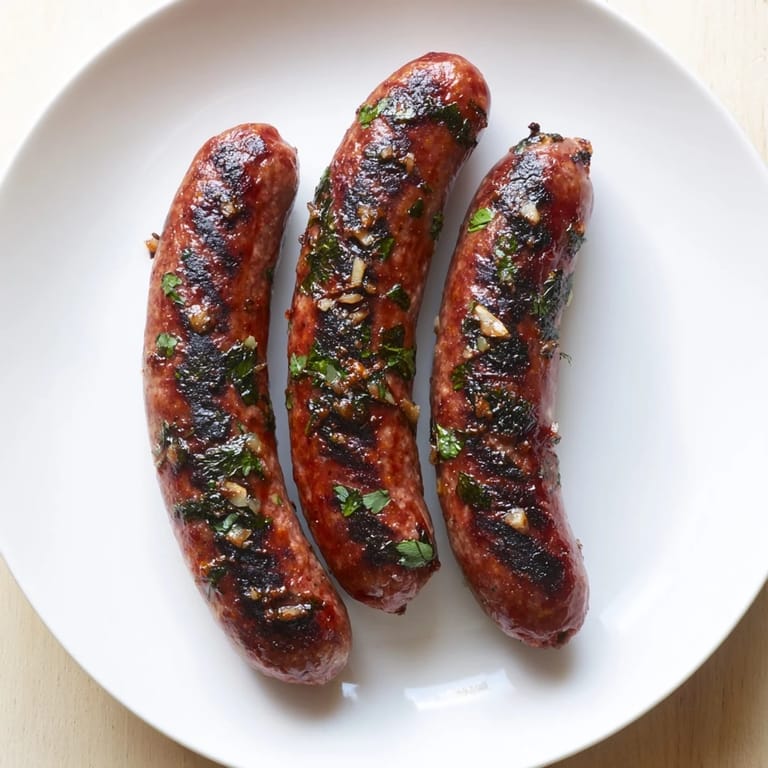
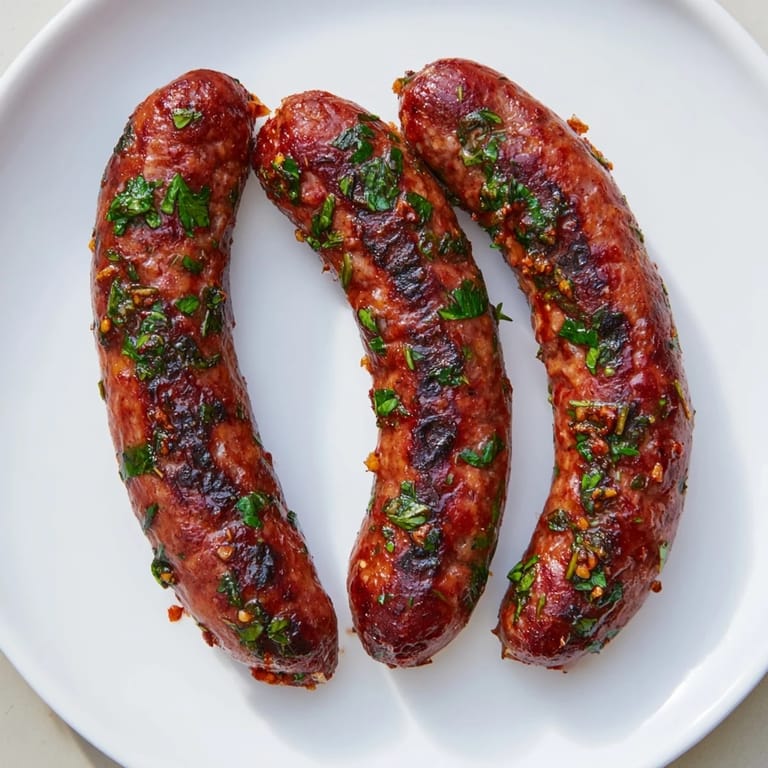
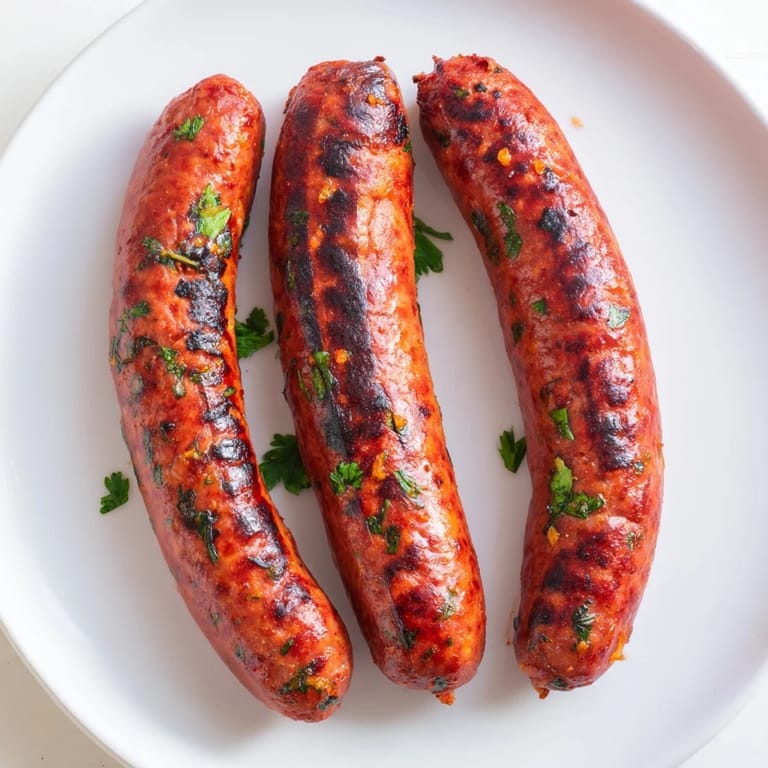
- Place the sausages on the grill and let them sit for 2–3 minutes before turning to develop a golden crust. Turn occasionally—roughly every 2 minutes—until they're browned all over and cooked through, about 8–10 minutes total. The casings may split slightly, and that's okay; the filling should be firm and cooked through but still juicy inside.
- Rest and serve:
- Let them rest for a minute off the heat before serving. They'll taste best while still warm and steaming.
 Save
Save There's a moment when you pull a perfectly grilled merguez off the heat and the smoke still curls from it, and you realize this isn't just food anymore—it's a small act of connection to a place and people you admire. That's when it stops being a recipe and becomes something you carry with you.
Choosing Your Spices
The spice profile is what makes merguez sing, but it demands respect and attention. If you can find whole spices—cumin seeds, coriander seeds, fennel, and caraway—toast them lightly in a dry pan for just a minute or two until fragrant, then grind them yourself. The flavor difference is noticeable and worth the extra step. If you're using pre-ground spices, buy them from a source with good turnover, as they lose their potency quickly sitting in a cabinet. And please, taste everything as you go—your cayenne tolerance might not match mine, and there's no shame in dialing back the heat to suit your palate.
Casings or No Casings
Sheep casings are traditional and create that authentic snap when you bite into a merguez, but they can be finicky if you've never worked with them before. Soaking them properly makes all the difference; they go from brittle and fragile to silky and forgiving. If casings feel like too much trouble, the skinless kefta-style version is equally delicious and arguably easier. You lose a bit of that textural contrast, but the flavor and spice remain exactly as good. Shape them carefully and chill them well before grilling so they don't fall apart.
Serving and Pairing
Merguez tastes best served hot, ideally wrapped in warm flatbread or pita with a squeeze of lemon and maybe a spoonful of yogurt. I've served them over fluffy couscous, crumbled into grain salads, and simply as is with roasted vegetables on the side. A bold red wine—Syrah especially—pairs beautifully with the spice and richness. The heat lingers pleasantly, so don't rush; let the flavors unfold as you eat.
- Fresh lemon juice brightens the richness and cuts through the spice perfectly.
- A cool yogurt sauce or harissa-spiced mayo on the side lets people customize their heat level.
- Leftover sausages keep well in the fridge and are wonderful sliced cold into a salad the next day.
 Save
Save Merguez is the kind of dish that reminds you why cooking matters—it connects you to flavors and moments and people in ways that ordering takeout never will. Make them once, and they'll become part of your rotation.
Recipe Guide
- → What meats are used in Tunisian merguez?
It combines ground beef and lamb to create a rich, flavorful base.
- → How is the spice level controlled?
The heat comes mainly from harissa paste and cayenne pepper, which can be adjusted to taste.
- → Can merguez be cooked without casings?
Yes, shaping the meat into logs or patties works well if casings aren’t available.
- → What cooking method is traditional for merguez?
Grilling over medium-high heat until browned and cooked through is customary.
- → What dishes pair well with this spiced sausage?
It complements couscous, fresh salads, flatbreads, or sandwiches beautifully.
- → Are there any common allergens in the ingredients?
Generally free from major allergens, but verify harissa paste and casings for gluten or preservatives.