 Save
Save Last July, my farmer's market haul was so heavy I nearly dropped it on the kitchen floor—overflowing with fuzzy peaches still warm from the sun, plums that stained my fingers purple, and apricots so ripe they practically melted in my palm. That chaos led me to this galette, a dish that somehow makes imperfection look intentional. The beauty of it is that it doesn't demand precision; it welcomes the crooked edges and rustic charm that come from cooking with what you have on hand. This French-inspired dessert taught me that the most memorable meals often come from happy accidents and fruit that's almost too ripe to ignore.
My sister brought her new boyfriend over for dessert one August evening, and I pulled this galette from the oven just as they arrived—the smell hit them before they even stepped into the kitchen. The pastry had turned this deep golden brown, and the fruit was bubbling out at the edges in the most beautiful mess. He asked if I'd gone to culinary school, and I laughed because ten minutes earlier I was convinced the whole thing was going to collapse. It didn't, and somewhere between that moment and the last slice, I realized this recipe has a quiet magic that makes you look better than you actually tried.
Ingredients
- All-purpose flour: The foundation of a tender, flaky crust—keep it cold and don't overwork it, or your pastry will turn tough instead of delicate.
- Cold unsalted butter: This is where the flakiness lives; if your butter softens before you finish mixing, pop everything back in the freezer for five minutes.
- Ice water: Add it gradually and stop mixing the moment the dough comes together—this is the secret to pastry that shatters when you bite into it.
- Almond flour and almond extract: These transform ordinary fruit into something luxurious, and the extract goes a long way so don't skip it even though the amount seems small.
- Mixed stone fruits: The sweeter and riper your fruit, the less sugar you'll need in the filling; taste as you go and trust your instincts.
- Cornstarch: A small amount prevents the fruit from releasing too much liquid and making your pastry soggy without adding any noticeable texture.
- Egg wash: This simple brush of beaten egg is what gives the galette that gorgeous burnished finish that catches the light.
Tired of Takeout? 🥡
Get 10 meals you can make faster than delivery arrives. Seriously.
One email. No spam. Unsubscribe anytime.
Instructions
- Create your pastry foundation:
- Whisk flour, sugar, and salt together, then work in those cold butter cubes until the mixture looks like rough breadcrumbs with some pea-sized pieces still visible. Add ice water a splash at a time, stirring just until the dough barely holds together—it should look shaggy and imperfect at this stage. Flatten into a disk, wrap it, and let it chill while you tackle the other components.
- Build the almond layer:
- Cream softened butter with sugar until it's pale and fluffy, then beat in the egg followed by almond flour, vanilla, and that tiny splash of almond extract. This is your frangipane, a thin luxurious blanket that sits between the pastry and fruit, adding richness and preventing sogginess.
- Toss your fruit gently:
- Combine sliced stone fruits with sugar, cornstarch, and lemon juice in a bowl, stirring softly so you don't bruise those delicate pieces. The cornstarch will seem like nothing now, but it's your insurance against a soggy bottom.
- Roll and shape:
- On a floured surface, roll your chilled dough into a roughly twelve-inch circle—it doesn't need to be perfect, the rustic look is exactly the point. Transfer it to parchment-lined baking sheet and spread frangipane across the center, leaving a two-inch border all around.
- Arrange your fruit artfully:
- Pile your stone fruit mixture over the almond layer however feels right to you; this is where you can lean into the imperfect beauty of the dish. Fold the pastry edges up and over the fruit, pleating as you go—these creases catch the heat and turn extra golden.
- Add the finishing touches:
- Brush the pastry with beaten egg so it bakes to a deep amber, then scatter coarse sugar over everything. This creates a subtle sparkle and subtle crunch that surprises you on the first bite.
- Bake until golden:
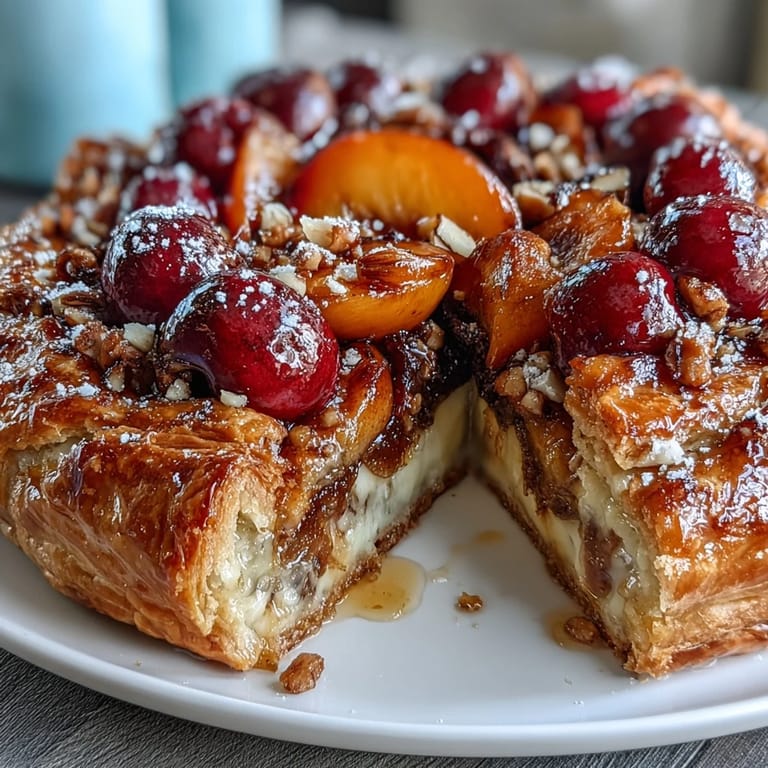
- At 400°F, your galette needs thirty-five to forty minutes until the pastry is deeply golden and the fruit is bubbling at the edges. The kitchen will smell so good you'll almost forget it's a dessert and not dinner.
 Save
Save What strikes me most about making this galette is how it somehow feels both utterly simple and slightly sophisticated, like you've let someone in on a secret that shouldn't be kept. Serving it warm with vanilla ice cream melting into those fruit juices is honestly close to perfect, but even at room temperature the next day, it's a reminder of why summer fruit and butter together might be one of the truest joys of cooking.
Timing Your Preparation
The beautiful thing about this recipe is its flexibility with your schedule—make the dough and frangipane the night before, storing them separately in the refrigerator, then assemble and bake when you're ready to fill your kitchen with that incredible smell. If you're pressed for time on the day of, you can even skip the thirty-minute dough chill if your butter was very cold to begin with, though the extra rest genuinely does make a difference in how flaky the pastry becomes. I've learned that the thirty to forty minutes in the oven is actually a gift, giving you time to set the table or pour wine rather than hovering anxiously over the stove.
Fruit Selection and Substitutions
The magic of this galette is that it works with whatever stone fruits are at their peak when you're making it—peaches, plums, nectarines, apricots, and cherries can all play together or solo depending on what your market offers. Early summer might give you tart plums that need a touch more sugar, while late July peaches are so sweet you could probably use less. One tip I learned the hard way is that mixing varieties actually works better than using just one fruit, as the different flavors bounce off each other and create something more complex than the sum of their parts.
Serving and Storage Ideas
Serve this galette warm or at room temperature, preferably with a scoop of vanilla ice cream or a dollop of whipped cream that pools into those fruit juices like it was meant to be there. Leftovers keep surprisingly well in an airtight container for two or three days, and honestly, cold galette straight from the fridge is its own kind of wonderful on a hot afternoon. If you're making this for a crowd, you can assemble it on the baking sheet early in the day and slide it straight into a preheated oven when you're ready to bake, making it one of the most flexible desserts for entertaining.
- A sprinkle of fresh mint or basil leaves adds an unexpected brightness that some people swear by.
- Brushing the finished galette with a thin coat of apricot jam while still warm gives it an extra glossy finish and subtle peachy flavor.
- Don't stress if your galette looks wonky—the rustic imperfection is actually the whole appeal and proof you made it by hand.
 Save
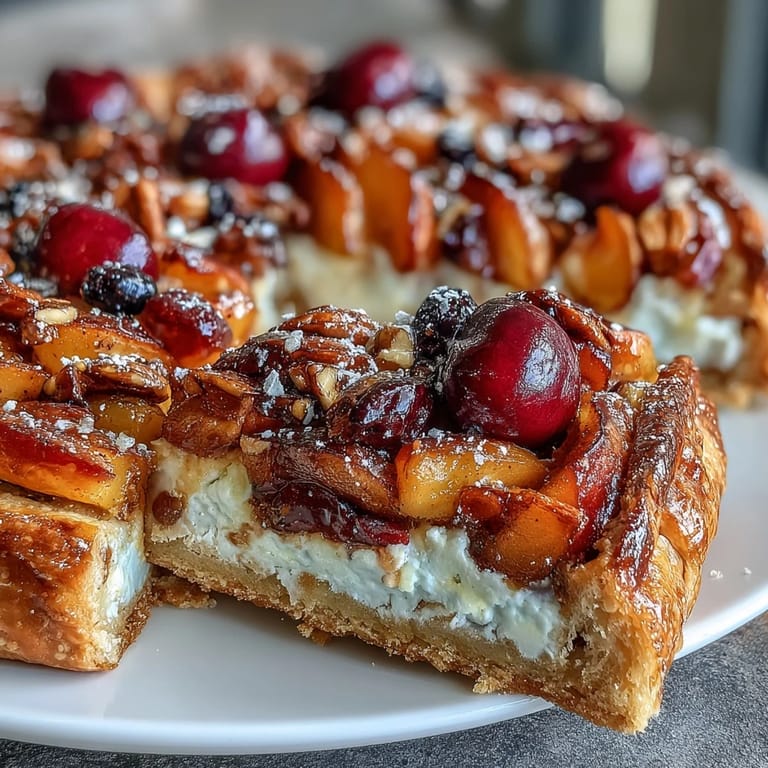
Save This galette has become my summer signature, the dish I make when I want to impress without exhausting myself, and the recipe that reminds me why fresh fruit and butter together are basically a love language. Every time I fold up those crooked pastry edges, I'm grateful for desserts that celebrate what's happening in the season rather than fighting against it.
Recipe Guide
- → What fruits work best for the filling?
Ripe summer stone fruits like peaches, plums, nectarines, apricots, and cherries provide the best combination of sweetness and texture.
- → How do I ensure the pastry is flaky?
Keep butter cold and cut it into the flour until coarse crumbs form. Avoid overworking the dough and chill it well before rolling.
- → Can I prepare parts ahead of time?
Yes, both the dough and almond frangipane can be made in advance and refrigerated overnight for convenience.
- → What is the purpose of cornstarch in the filling?
Cornstarch helps thicken the fruit juices released during baking, preventing a soggy crust and ensuring a nicely set filling.
- → How should I serve the galette?
Serve warm or at room temperature, optionally paired with vanilla ice cream or whipped cream for added richness.