 Save
Save There's something about the smell of roasted beets that fills a kitchen with quiet purpose. A friend once brought me a bowl of this soup on a gray afternoon, and I was struck by how such a simple vegetable could taste like earth and sweetness had made peace with each other. That first spoonful changed how I thought about soup altogether—it didn't need to be complicated to feel luxurious. Now, whenever I roast beets, I'm transported back to that moment of discovery, and I find myself making this recipe again and again.
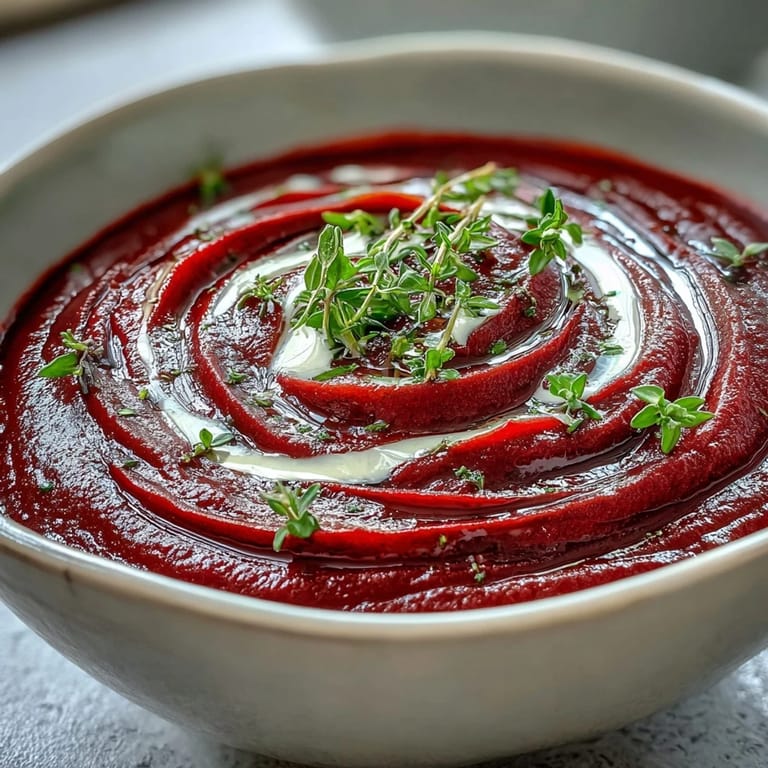
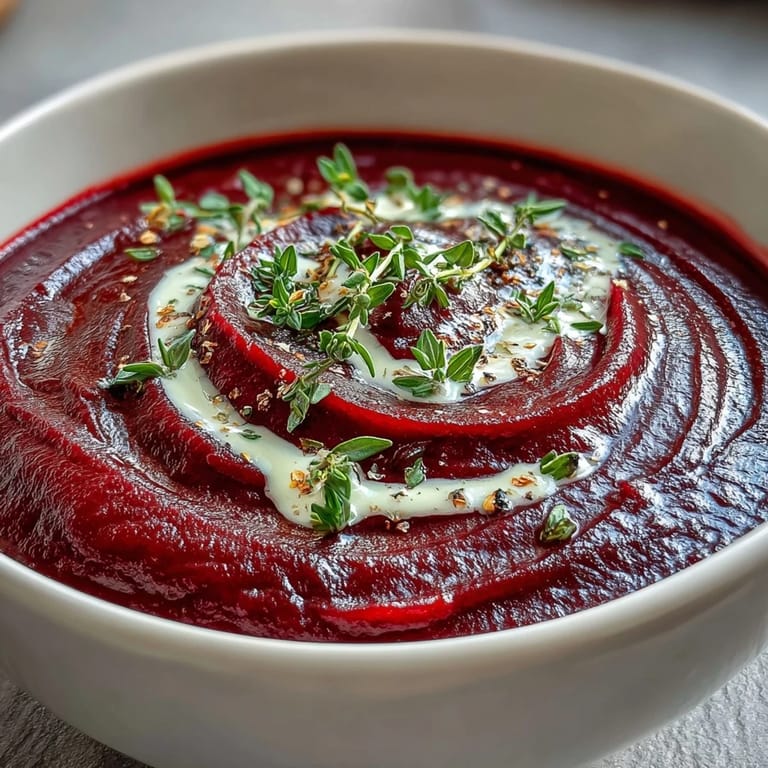
I made this for my partner on a chilly October evening, and watching their expression shift from curiosity to genuine delight was worth every minute of prep. The soup had cooled just slightly, that perfect temperature where the cream swirled into deep magenta patterns on the surface. They asked for seconds before finishing their first bowl, which for me is the truest compliment any soup can receive.
Ingredients
- 4 medium beets, trimmed and scrubbed: Choose beets that feel firm and uniform in size so they roast evenly; smaller ones tend to finish cooking before larger ones become tender.
- 1 medium yellow onion, diced: Yellow onions provide a gentle sweetness that balances the earthiness of the beets beautifully.
- 2 medium carrots, peeled and diced: Carrots add subtle sweetness and body to the soup while complementing the beet flavor rather than competing with it.
- 2 cloves garlic, minced: Fresh garlic brings a quiet depth that only reveals itself after blending; don't skip mincing it finely.
- 4 cups vegetable broth: Use a quality broth you'd actually taste in soup—the broth becomes the backbone of every spoonful.
- 1 tablespoon olive oil: Good olive oil matters here because it's not just cooking fat; it carries flavor into the finished dish.
- 1/2 cup heavy cream or coconut cream for vegan option: The cream transforms the soup from hearty to silky, so don't be tempted to skip it or reduce the amount too much.
- 1 teaspoon salt, plus more to taste: Start with this amount, but taste as you go—roasted vegetables need seasoning to shine.
- 1/2 teaspoon freshly ground black pepper: Grind it fresh just before cooking; pre-ground pepper loses its snap.
- 1 tablespoon fresh lemon juice: This is the secret that makes people ask what you did differently—it brightens everything without tasting citrusy.
- 1 teaspoon fresh thyme leaves or 1/2 teaspoon dried: Thyme whispers rather than shouts, adding an herbal note that feels both earthy and refined.
Tired of Takeout? 🥡
Get 10 meals you can make faster than delivery arrives. Seriously.
One email. No spam. Unsubscribe anytime.
Instructions
- Preheat and prepare:
- Set your oven to 400°F and let it come fully to temperature while you trim the beets. This ensures even roasting from the moment they hit the sheet.
- Roast the beets until they surrender:
- Wrap each beet individually in foil and spread them on a baking sheet, then roast for 40 to 45 minutes until a fork slides through like they're butter. The kitchen will fill with an earthy aroma that makes you realize you're doing something right; let them cool enough to handle, then the skin will slip off almost effortlessly.
- Build the base flavor:
- Heat olive oil in a large pot over medium heat and add the diced onion and carrots, stirring occasionally until they soften around the edges, about 5 minutes. Add the minced garlic and let it cook just until fragrant, no more than a minute, before it has a chance to brown.
- Combine and simmer:
- Add your cooled, peeled, chopped beets to the pot along with the thyme, salt, and pepper, stirring everything together so the flavors start getting to know each other. Pour in the vegetable broth, bring the mixture to a boil, then turn the heat down and let it simmer gently for 10 minutes so all those flavors can deepen and marry.
- Blend into silkiness:
- Remove from heat and use an immersion blender to puree the soup directly in the pot, working in a few batches if needed, until you reach that velvety texture where no vegetable chunks remain. If using a countertop blender, work carefully in batches and return the soup to the pot.
- Finish with finesse:
- Stir in the heavy cream and lemon juice, then taste and adjust the seasoning thoughtfully—sometimes that extra pinch of salt or squeeze of lemon makes all the difference. The soup should taste bright and balanced, earthy but not heavy.
- Serve with intention:
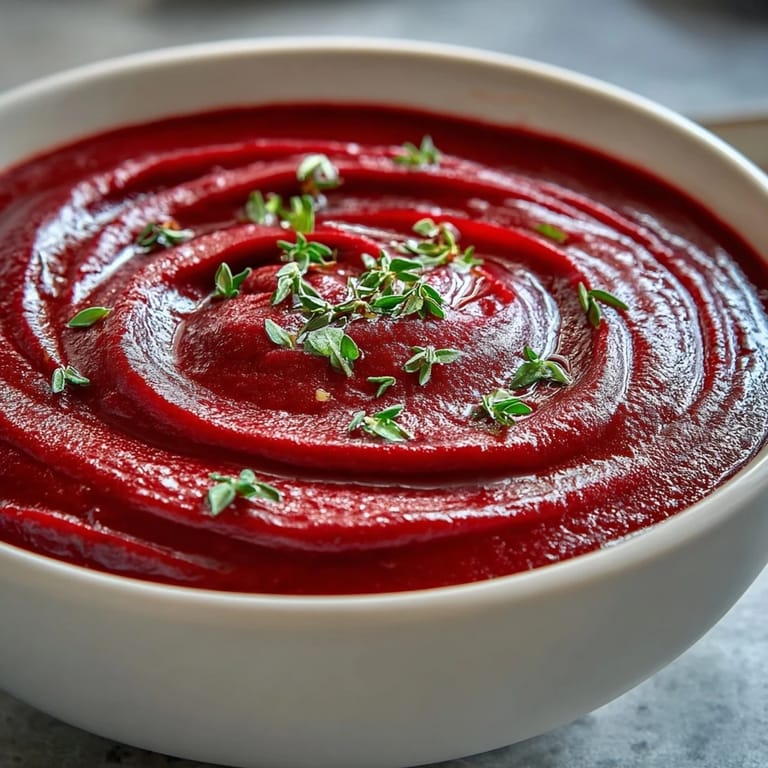
- Ladle the soup into bowls while it's still steaming, and if you have time, swirl a little cream on top and scatter some fresh thyme to make it feel like an occasion. Even a simple soup becomes memorable when it's presented with a little care.
 Save
Save This soup became the dish I made when I wanted to show someone I cared without making a big production out of it. There's something generous about offering someone a bowl of something this beautiful and nourishing, and it somehow says more than words sometimes do.
The Art of Roasting Vegetables
Roasting transforms vegetables in a way that boiling or steaming simply cannot match. The dry heat of the oven concentrates flavors and brings out natural sugars, creating complexity that seems to multiply once everything is blended together. I learned this lesson the hard way after making a watery beet soup using boiled beets, and it taught me that how you cook vegetables is just as important as which vegetables you choose.
Creamy Soups Without Heaviness
The cream in this recipe isn't there just to make the soup richer—it's actually a flavor carrier that makes every other ingredient taste more like itself. When you blend vegetables and then add cream, you're not covering up the beet flavor; you're giving it a luxurious vehicle that makes people want another spoonful. The balance between the earthiness of beets and the silkiness of cream is what makes this soup feel indulgent rather than heavy.
Variations and Serving Suggestions
This soup is wonderfully adaptable depending on what's in your kitchen and what you're craving. Try it chilled on a warm day, or swirl in different toppings to change the entire personality of a bowl. The base recipe is forgiving enough to welcome your own ideas, which is one reason I keep coming back to it.
- Serve it hot in winter with crusty bread, or chill it completely and serve as a summer soup with a dollop of Greek yogurt instead of cream.
- Experiment with garnishes like crumbled goat cheese, toasted pumpkin seeds, or crispy sage leaves to add texture and surprise.
- For a richer version, whisk in an extra tablespoon of cream or stir through some beet greens at the very end if you have them on hand.
 Save
Save This is the kind of recipe that quietly becomes part of your cooking repertoire, showing up whenever you want to nourish yourself or someone you care about. Make it once and you'll understand why it keeps asking to be made again.
Recipe Guide
- → How do I know when the beets are fully roasted?
Pierce the wrapped beets through the foil with a fork. When they offer no resistance and feel tender throughout, they're done. This typically takes 40-45 minutes at 400°F. Let them cool slightly before peeling—the skins should slip off easily.
- → Can I make this soup ahead of time?
Absolutely. This soup actually develops deeper flavor when made a day ahead. Store in an airtight container in the refrigerator for up to 4 days. Reheat gently over medium-low heat, adding a splash of broth or cream if it thickens too much. Wait to add final garnishes until serving.
- → What's the best way to achieve a smooth texture?
An immersion blender works perfectly directly in the pot. If using a countertop blender, work in batches and never fill more than halfway—hot liquids expand when blended. For the silkiest results, blend thoroughly after adding the cream, then strain through a fine-mesh sieve if desired.
- → Can I use raw beets instead of roasted?
You can, but you'll sacrifice the depth and sweetness that roasting provides. Raw beets yield a fresher, more vegetal flavor. If using raw, peel and dice them, then simmer with the onions and carrots for about 25-30 minutes before puréeing. The result will still be delicious but less complex.
- → How can I adjust the consistency?
For a thinner soup, add more vegetable broth, ¼ cup at a time, until you reach your desired consistency. To thicken, simmer longer to reduce or add a peeled, diced potato during the simmering stage. The cream also adds body—add more for a richer, thicker finish.
- → What wine pairs well with this soup?
A crisp white wine like Sauvignon Blanc or Pinot Grigio complements the earthy beets beautifully. The acidity cuts through the cream while enhancing the lemon juice's brightness. For red wine lovers, a light Pinot Noir works, though white generally creates a more harmonious pairing.