 Save
Save The first time I made falafel from scratch, I was standing in my kitchen on a Friday afternoon, the counter scattered with fresh herbs that filled the room with their sharp green smell. My Lebanese neighbor had just handed me a batch of hers—still warm, still crackling—and challenged me to figure out the secret. I spent that evening with dried chickpeas, a food processor, and a lot of failed attempts before I finally understood: it's not about perfection, it's about that coarse, rough texture that holds together just barely, waiting to transform into something golden and crispy.
I made these for a dinner party last spring, and I remember the relief on my face when the first batch emerged from the oil—deep brown and crackly all over. My friend Sarah bit into one and went completely quiet for a moment, then asked if I'd sell them at the farmers market. That's when I realized these weren't just a snack anymore; they'd become something I could offer people with real confidence.
Ingredients
- Dried chickpeas (1 cup): Don't use canned—they're too wet and will give you mushy falafel instead of that perfect crispy outside.
- Fresh parsley (1 cup, packed): This is where the green, vibrant flavor comes from; it's not a garnish, it's the backbone.
- Fresh cilantro (1/2 cup, packed): The herbs are what make Levantine falafel taste authentically bright and alive.
- Yellow onion and garlic (1 small onion, 3 cloves): These bring depth without overwhelming the delicate herb flavors.
- Ground cumin and coriander (2 tsp and 1 tsp): Toast these in a dry pan first if you have whole seeds—the difference is subtle but real.
- Cayenne pepper (1/2 tsp, optional): A whisper of heat that makes everything else taste better; adjust to your comfort level.
- Baking powder (1 tsp): This creates the light, crispy texture; don't skip it or double it.
- All-purpose flour (3 tbsp): Use chickpea flour for gluten-free, and add just enough to help everything hold together without making them dense.
- Vegetable oil for frying: You need enough to submerge the balls; neutral oil works best so the herbs shine through.
Tired of Takeout? 🥡
Get 10 meals you can make faster than delivery arrives. Seriously.
One email. No spam. Unsubscribe anytime.
Instructions
- Soak and prepare the chickpeas:
- Rinse the dried chickpeas and cover them generously with cold water in a large bowl, then let them sit overnight or up to 12 hours—they'll plump up and soften. In the morning, drain and pat them completely dry with a clean towel; any excess water will make the mixture mushy.
- Pulse the base:
- In a food processor, combine the drained chickpeas, chopped onion, garlic, parsley, and cilantro, then pulse until everything comes together as a coarse mixture that holds when you squeeze it—you're looking for texture, not a smooth paste. This step takes feel and patience; stop pulsing and taste if you need to.
- Season and mix:
- Add the cumin, coriander, cayenne, baking powder, salt, black pepper, and flour to the processor, then pulse just a few times to distribute the seasonings evenly throughout. Scrape down the sides with a spatula and do a final hand mix to make sure nothing's hiding at the bottom.
- Form the balls:
- Wet your hands with cold water—this prevents sticking—then gently shape the mixture into balls about 1½ inches across, placing each one on a parchment-lined tray. If the mixture falls apart, add another tablespoon of flour and mix by hand.
- Heat the oil:
- Pour about 2 inches of vegetable oil into a deep pot and bring it to 350°F (175°C)—use a thermometer, because this temperature is crucial; too cool and they'll absorb oil and be greasy, too hot and they'll burn before the inside cooks. Let the oil come to a steady heat and wait a moment before you start frying.
- Fry until golden:
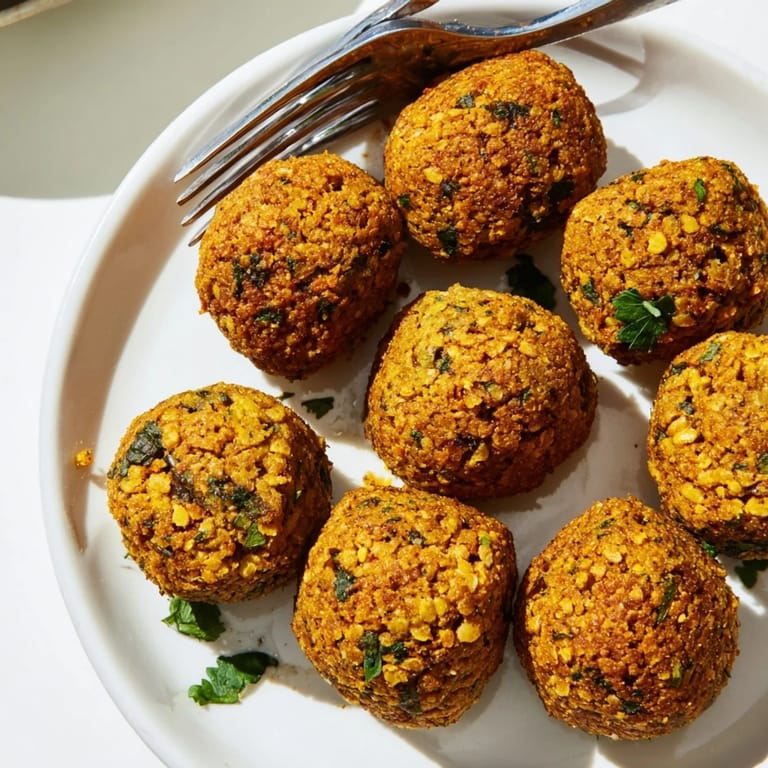
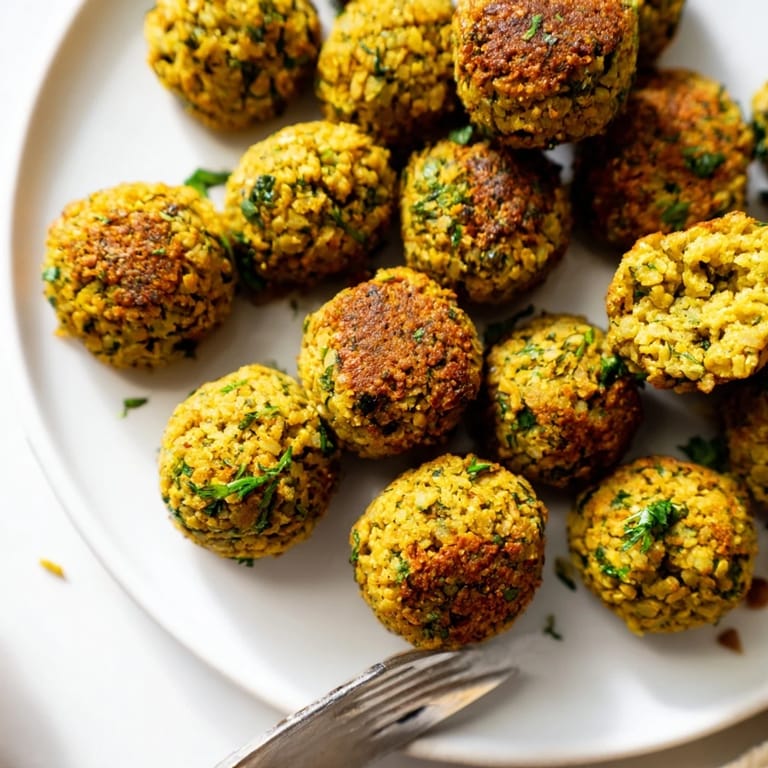
- Working in batches so the oil doesn't cool down, carefully lower the falafel into the hot oil, then let them bubble and fry for 3 to 4 minutes, turning them gently with a slotted spoon so they brown evenly all over. When they're a deep golden brown and sound crispy, lift them out and drain them on paper towels.
- Serve immediately:
- Eat them while they're still warm, tucked into pita bread with tahini sauce, fresh salad, and pickles, or scatter them across a mezze platter surrounded by hummus and other dishes.
 Save
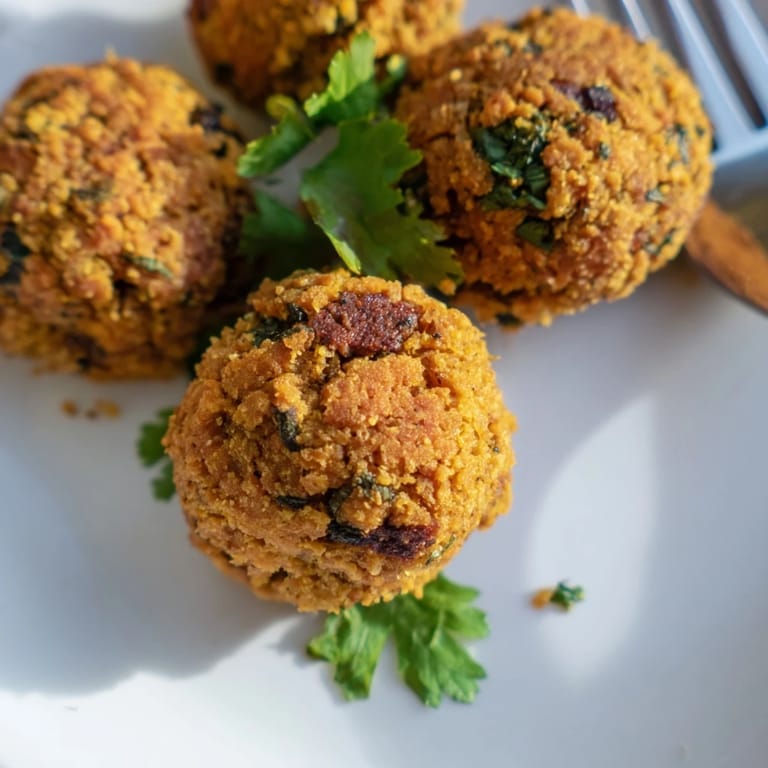
Save There's a moment, maybe three minutes into frying, when you realize the whole thing is working—when the kitchen fills with that toasted, herby smell and you know people are going to be happy. That's the moment I stop worrying and just start anticipating the taste.
Why Fresh Herbs Matter So Much
Levantine falafel lives or dies by its herbs, and I learned this when I tried to stretch my grocery budget by using dried parsley instead of fresh. The result was bland and one-dimensional, nothing like the vibrant, alive thing I was trying to recreate. Fresh parsley and cilantro are non-negotiable here—they're not decorative, they're the entire reason this dish tastes the way it does, bright and alive and nothing like the dense, spice-heavy versions you find elsewhere.
The Soaking Step Is Worth the Wait
I know waiting eight hours for chickpeas to soak feels like an extra step, but this is where the magic happens. Soaked chickpeas have a tender texture that stays intact during frying, whereas canned chickpeas are already cooked and fall apart or become mushy. When you drain and pat them dry, you're setting yourself up for a crispy exterior and a light, almost fluffy inside—that contrast is what makes people ask for your recipe.
Serving and Storing Your Falafel
These are best eaten within a few hours of frying, when they're still warm and the outside is still crackling, but you can reheat them in a 350°F oven for a few minutes if you need to. I also discovered that uncooked falafel balls freeze beautifully—just place them on a tray, freeze until solid, then pop them into a freezer bag, and you can fry them straight from frozen whenever the craving hits.
- If you don't have access to good tahini sauce, a simple yogurt mixed with lemon juice and a touch of garlic is a lovely alternative.
- Serve alongside pickled vegetables, fresh tomatoes, cucumbers, and lettuce for a complete experience.
- Leftover cooked falafel keeps in an airtight container in the refrigerator for up to three days.
 Save
Save Making falafel from scratch connects you to something real and traditional, and once you've done it, you'll understand why people keep making it the same way, year after year. It's food that tastes like care.
Recipe Guide
- → How long should the chickpeas be soaked?
Chickpeas need to be soaked for 8 to 12 hours in cold water to soften before processing.
- → Can falafel balls be baked instead of fried?
Yes, brush the balls with oil and bake at 400°F (200°C) for 20–25 minutes, turning halfway for even cooking.
- → What herbs add flavor to these chickpea balls?
Fresh parsley and cilantro provide a bright, fresh flavor complementing the spices.
- → Which spices contribute to the flavor profile?
Cumin, coriander, salt, pepper, and optional cayenne pepper lend a warm, aromatic taste.
- → What is the best oil and temperature for frying?
Vegetable oil heated to 350°F (175°C) is ideal for frying until the balls are crisp and golden.