 Save
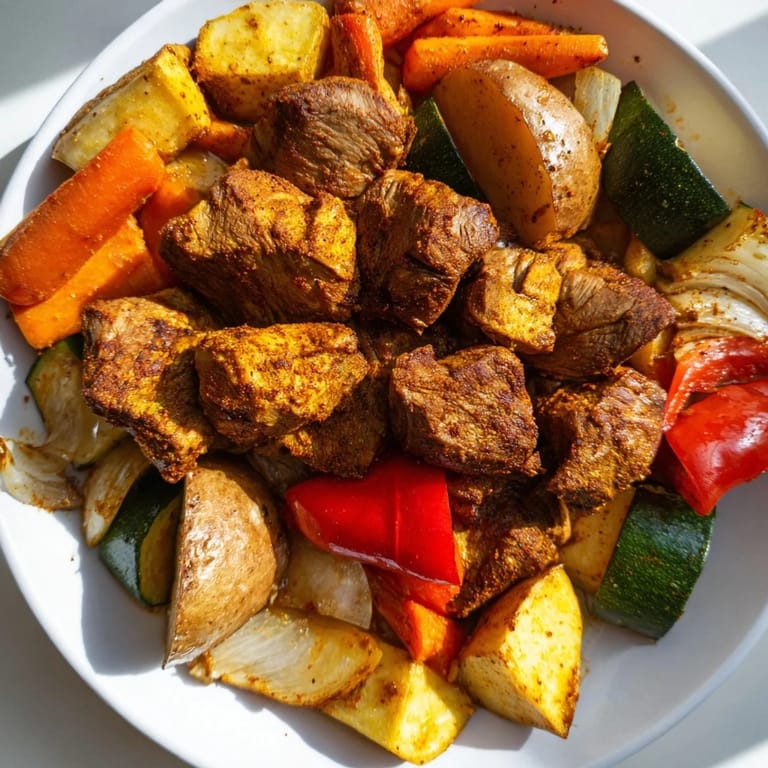
Save My first zarb didn't happen in a pit dug into desert sand—it happened in my kitchen with a roasting tray and a lot of hope. A friend had described watching her grandmother cook this Bedouin dish, and I became obsessed with recreating that slow-cooked magic. The moment I opened the foil after two and a half hours and the steam rolled out carrying cumin and cinnamon, I understood why families gather around this meal.
I made zarb for a dinner party once, worried the whole time about whether it would actually work in my home oven instead of a traditional pit. When my guests started quietly savoring those smoky, tender vegetables and lamb, and one person asked if I'd actually buried it in my yard, I knew I'd nailed it. That night taught me that traditional food doesn't need a traditional method—just patience and respect for the flavors.
Ingredients
- Lamb shoulder or chicken pieces, bone-in: Bone-in cuts stay juicier and contribute depth to the braising liquid, so resist the urge to use boneless meat.
- Olive oil: Use good quality oil for the marinade—it carries the spice flavors into the meat.
- Ground cumin, coriander, cinnamon, and smoked paprika: This quartet is what makes zarb taste like itself, so don't skip or substitute.
- Potatoes and carrots: Cut them generously large so they don't disappear into mush during the long cooking time.
- Onions, zucchini, and bell peppers: These add brightness and texture, and they soften into creamy pockets of flavor.
- Tomatoes and garlic: They melt into the braising liquid and deepen every other flavor in the pot.
Tired of Takeout? 🥡
Get 10 meals you can make faster than delivery arrives. Seriously.
One email. No spam. Unsubscribe anytime.
Instructions
- Build your flavor base:
- Mix olive oil with cumin, coriander, cinnamon, paprika, black pepper, salt, minced garlic, and lemon juice into a rough paste. This marinade is doing real work—it's seasoning the meat and tenderizing it from the inside.
- Massage and rest:
- Coat every piece of meat generously with the marinade, really working it in with your hands. Cover the bowl and refrigerate for at least an hour, though overnight is when the magic deepens.
- Prep your vegetables:
- While meat rests, cut potatoes, carrots, onions, zucchini, and peppers into large, generous chunks—thumb-sized or bigger. Toss them gently with a little olive oil, salt, and pepper.
- Layer and cover:
- Arrange marinated meat on a large roasting tray, then scatter vegetables around and underneath it. Cover everything tightly with aluminum foil, pressing the edges down so steam stays trapped inside.
- Slow roast until tender:
- Place in a 180°C (350°F) oven for two and a half hours without peeking. The low, gentle heat turns tough meat tender and melds every flavor together.
- Make rice, if serving:
- In a separate saucepan, bring rice, broth, butter, and salt to a boil, then reduce heat and cover. Let it simmer for 15–20 minutes until the rice is fluffy and the liquid is absorbed.
- Unveil and serve:
- Carefully peel back the foil—the steam will be intense. Transfer everything to a platter, spoon the collected juices over top, and serve over rice if desired.
 Save
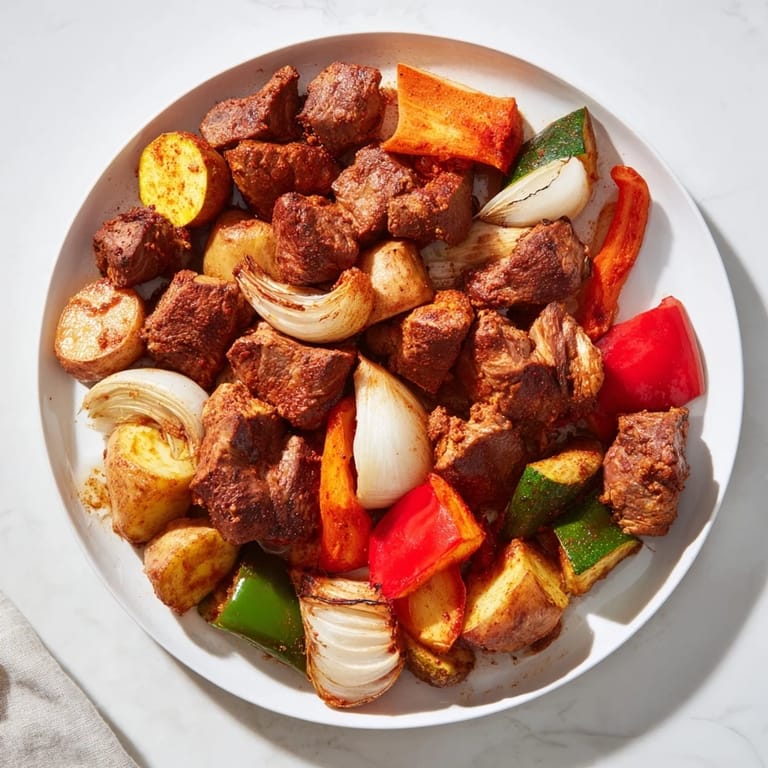
Save There's a moment when you're standing over a roasting tray wrapped in foil, steam unfurling like it's revealing some secret, and you realize this humble home-cooked meal connects you to generations of people who've made the same thing in the desert. That's when zarb stops being just dinner.
The Soul of Slow Cooking
Zarb teaches patience in a way quick recipes never can. The two and a half hours aren't wasted time—they're when tough cuts of meat surrender into tenderness, when potatoes become creamy, when every vegetable absorbs the spice-laden steam surrounding it. This is what slow cooking was invented for, before we had pressure cookers and shortcuts. The trapped heat and moisture do all the work; you just have to trust it and walk away.
Why Foil Matters
The foil seal isn't decorative—it's essential. It traps the steam that keeps meat moist and vegetables from shriveling, and it contains the aromas so they concentrate and deepen instead of escaping into your oven. I once forgot to press the foil edges down securely and found the seal had come loose halfway through cooking; the meat was drier and tougher than it should have been. That taught me to take the sealing step seriously.
Serving and Variations
Zarb is flexible in ways that respect tradition. Serve it alone on a platter with flatbread and tangy yogurt, or nest everything over fluffy rice to catch every drop of the braising liquid. Some cooks add eggplant or sweet potato instead of regular potatoes; others use chicken instead of lamb or mix them together. Each variation tastes authentic because zarb is defined by its method and spice profile, not by rigid ingredient rules.
- Pair with thick, creamy yogurt mixed with herbs—the tang cuts through the richness beautifully.
- Serve with warm flatbread for scooping up meat, vegetables, and sauce.
- A cold mint tea or robust red wine complements the meal perfectly.
 Save
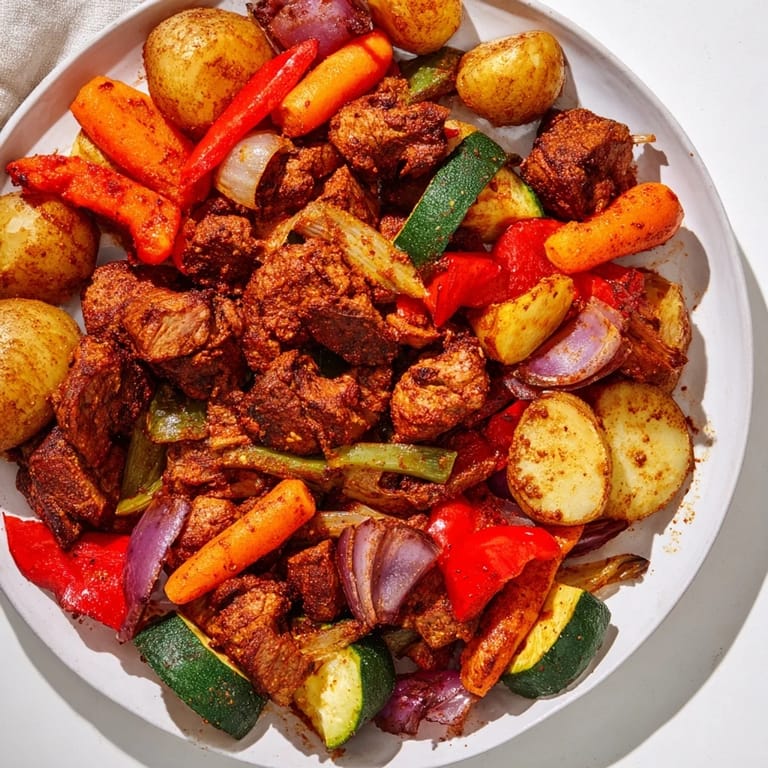
Save Zarb is the kind of dish that fills your home with warmth and your table with people who linger long after the meal ends. Make it, share it, and let it become part of your own kitchen story.
Recipe Guide
- → What cuts of meat are best for this dish?
Bone-in lamb shoulder or chicken pieces work best due to their tenderness and ability to absorb the marinade flavors deeply during slow cooking.
- → How does cooking underground affect the flavors?
The underground cooking method traps steam and smoke, infusing the ingredients with a rich smoky aroma and making the meat tender and juicy.
- → Can I prepare the dish without an underground oven?
Yes, baking it slowly in a covered roasting tray or wrapped in banana leaves produces similar tender results while preserving moisture.
- → What spices are essential for authentic flavor?
Cumin, coriander, cinnamon, smoked paprika, black pepper, and garlic are key to achieving the traditional aromatic profile of this dish.
- → Are there vegetable variations suitable for this dish?
Vegetables like eggplants or sweet potatoes can be added or substituted to complement the flavors and add variety.
- → How long should the marinade rest for best flavor?
Marinating for at least one hour is recommended, but overnight enhances the depth of flavor and tenderness.