 Save
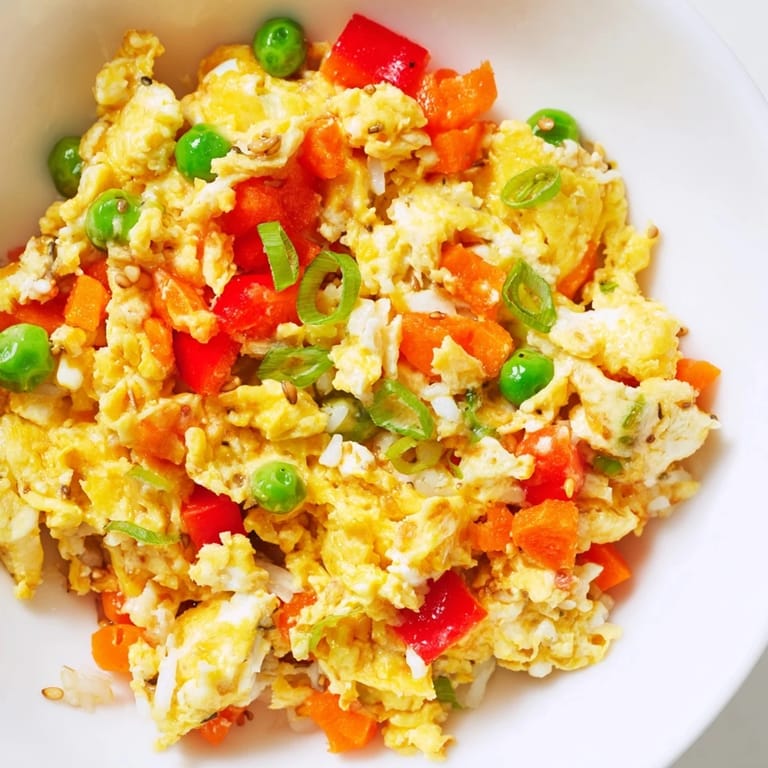
Save There's something almost magical about the sizzle of cold rice hitting hot oil, and I discovered that magic during a particularly busy weeknight when I had leftover rice and three eggs staring at me from the fridge. My kitchen smelled like sesame oil and garlic within minutes, and what started as a quick fix turned into the kind of meal I now make on purpose, not out of necessity. That's the thing about fried rice—it taught me that the best dishes are often born from working with what you have rather than what a recipe demands.
I made this for my roommate on a Tuesday evening when she came home exhausted from work, and watching her face light up at the aroma—then the taste—reminded me that simple, honest food carries its own kind of comfort. She asked for the recipe immediately, and I realized I didn't have one written down, just muscle memory and intuition. Now whenever I make it, I think about that moment and smile.
Ingredients
- Cold cooked white rice (4 cups, preferably day-old): Day-old rice is non-negotiable here—the grains stay separate and crispy rather than clumping together, which is the entire point of fried rice.
- Large eggs (3): These become fluffy scrambled clouds that distribute throughout the dish, giving you protein and richness in every bite.
- Vegetable oil (2 tbsp, divided): Use a neutral oil with a high smoke point so your wok stays hot without the oil breaking down.
- Frozen peas and carrots (1 cup, thawed): Frozen vegetables save time and actually work beautifully here because they're already tender and won't turn mushy during the quick stir-fry.
- Scallions (½ cup, finely sliced, with greens reserved): The white and light green parts go in for cooking, while the dark green tops scatter over top at the end for a fresh, oniony bite.
- Red bell pepper (½, diced): This adds sweetness and color, but any vegetable you have—broccoli, snap peas, corn—works just as well.
- Soy sauce (3 tbsp, low sodium if you prefer): This is the backbone of flavor, so taste as you go and adjust to your liking.
- Toasted sesame oil (1 tsp): A small amount goes a long way—it smells incredible and adds a depth that regular oil cannot touch.
- Ground white pepper (½ tsp): White pepper has a different heat profile than black and blends seamlessly into fried rice without visible specks.
- Garlic (1 clove, minced): This blooms in hot oil and becomes the aromatic foundation for everything else.
- Fresh ginger (1 tsp, grated, optional): If you use it, it brightens the whole dish with a subtle warmth that reminds you this came from someone's kitchen, not a factory.
Tired of Takeout? 🥡
Get 10 meals you can make faster than delivery arrives. Seriously.
One email. No spam. Unsubscribe anytime.
Instructions
- Beat your eggs like you mean it:
- Whisk them in a bowl with a pinch of salt until completely combined and slightly frothy. This helps them cook into fluffy ribbons rather than dense chunks.
- Scramble and set aside:
- Heat 1 tablespoon oil in your wok over medium-high heat, pour in the eggs, and stir gently as they set. They should still look a little soft when you transfer them to a plate—they'll continue cooking when they go back in.
- Build your aromatic base:
- Add the remaining oil to the wok and let it shimmer. Add the garlic, ginger if using, and the white parts of the scallions, stirring constantly for about 30 seconds until your entire kitchen smells incredible.
- Wake up the vegetables:
- Throw in your peas, carrots, and bell pepper, stirring constantly for 2 to 3 minutes. They should soften slightly but still have some texture—this is not the time to overcook.
- Add the rice and get it moving:
- Crank the heat to high and add your cold rice, using your spatula to break up any clumps as you stir. You're looking for the rice to get heated through and pick up a little color and crispness from the wok, which takes about 2 to 3 minutes.
- Bring it all together:
- Return the scrambled eggs to the wok, breaking them into small pieces as they mix in. Pour in the soy sauce, sesame oil, and white pepper, tossing everything until it's evenly coated and heated through—this should take about a minute.
- Finish with fresh scallion greens:
- Transfer to a serving dish or bowls and scatter the reserved scallion greens over top. Serve immediately while everything is still steaming.
 Save
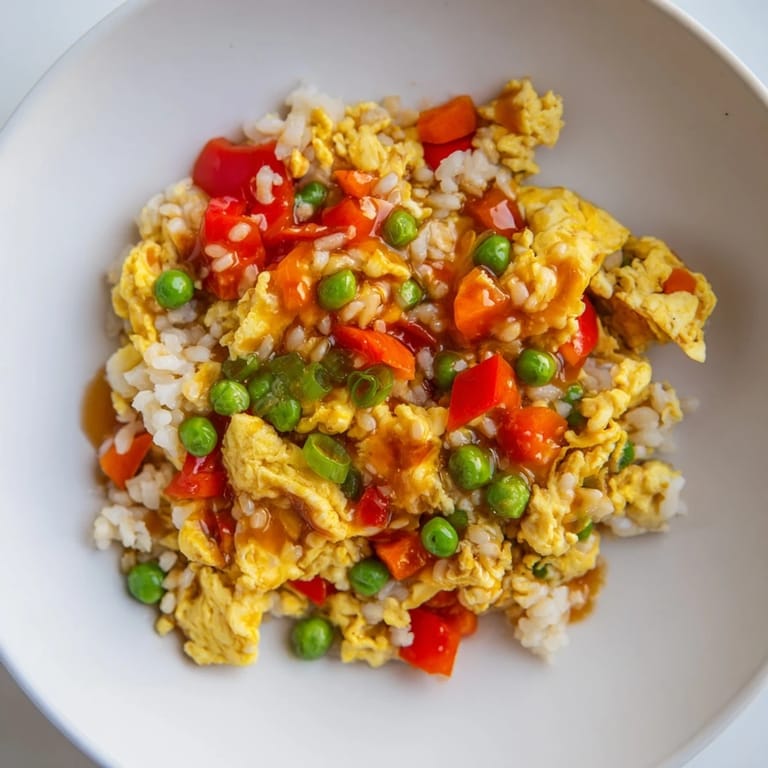
Save There was one evening when a friend who'd never cooked before asked to help, and I let her take over the wok for the last few minutes of stir-frying. Her eyes grew wide as the rice transformed from clumpy to light and separate under her spatula, and she whispered, "I can feel when it's right, can't I?" That's when I understood this recipe teaches you to trust your senses as much as your ingredients.
Making It Your Own
The beauty of fried rice is that it's a canvas for whatever you have on hand. I've made it with leftover roasted vegetables, fresh herbs, different types of rice, and even a splash of oyster sauce for deeper flavor. Once you understand the technique—building aromatics, handling the rice correctly, and keeping the heat high—you can improvise endlessly.
Beyond the Basic Version
For extra protein, stir in cooked shrimp, diced chicken, or crumbled tofu after the eggs return to the wok. For a gluten-free version, substitute tamari for regular soy sauce—the flavor is slightly different but equally delicious. If you like heat, a dash of chili sauce or sriracha swirled in at the end transforms it into something with more personality.
Time-Saving Wisdom
The real secret to stress-free fried rice is preparation—have everything chopped and ready before you heat the wok, because once things start moving, they move fast. I keep a small dish next to the stove with my garlic, ginger, and scallion whites all ready to go, which means I'm never scrambling once the oil starts to shimmer. This dish rewards a little forethought with a lot of flavor.
- Mise en place (having everything prepped and in its place) transforms this from chaotic to smooth.
- If you don't have sesame oil, skip it rather than substituting—it's not interchangeable with other oils.
- Taste and adjust your soy sauce just before serving; different brands vary wildly in saltiness.
 Save
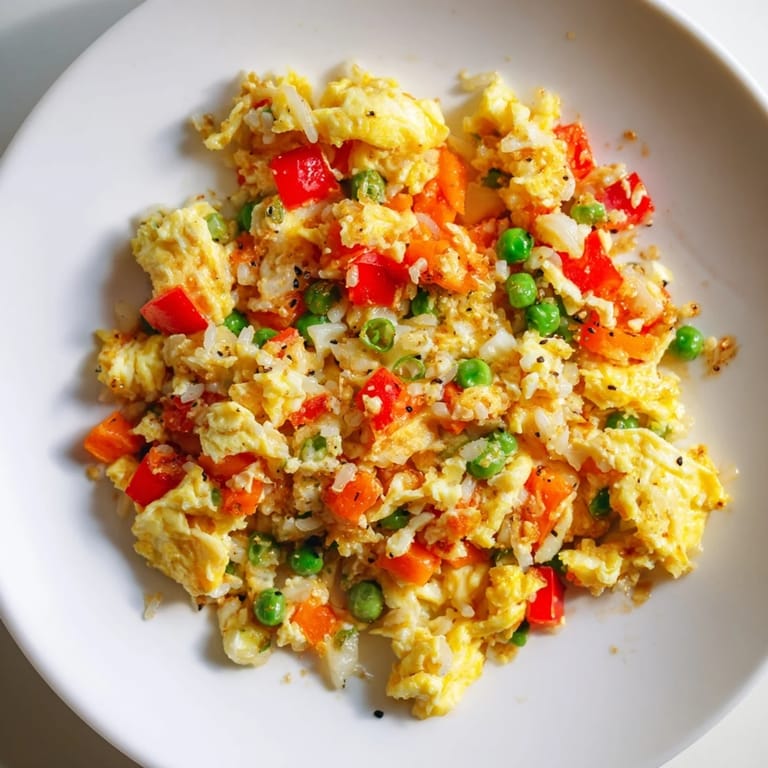
Save This recipe is a reminder that the most satisfying meals don't always come from complicated techniques or rare ingredients—sometimes they come from knowing how to treat what you have with respect and attention. Fried rice has been feeding people for centuries because it's honest, adaptable, and genuinely delicious.
Recipe Guide
- → What type of rice works best?
Day-old cooked white rice is preferred as it is drier and less likely to clump, creating a better texture when stir-fried.
- → Can I make this dish gluten-free?
Yes, use gluten-free soy sauce or tamari to maintain the flavor while avoiding gluten.
- → How do I prevent the eggs from overcooking?
Scramble eggs gently over medium-high heat just until set, then remove from the pan to avoid drying out during stir-frying.
- → What vegetables complement this dish well?
Frozen peas, carrots, scallions, and diced bell peppers add color, texture, and sweetness, balancing the savory elements.
- → Can I add protein to this stir-fry?
Absolutely, cooked shrimp, chicken, or tofu can be incorporated for added protein and flavor variety.
- → Why is sesame oil used here?
Toasted sesame oil adds a rich, nutty aroma that enhances the overall flavor profile without overpowering the other ingredients.