 Save
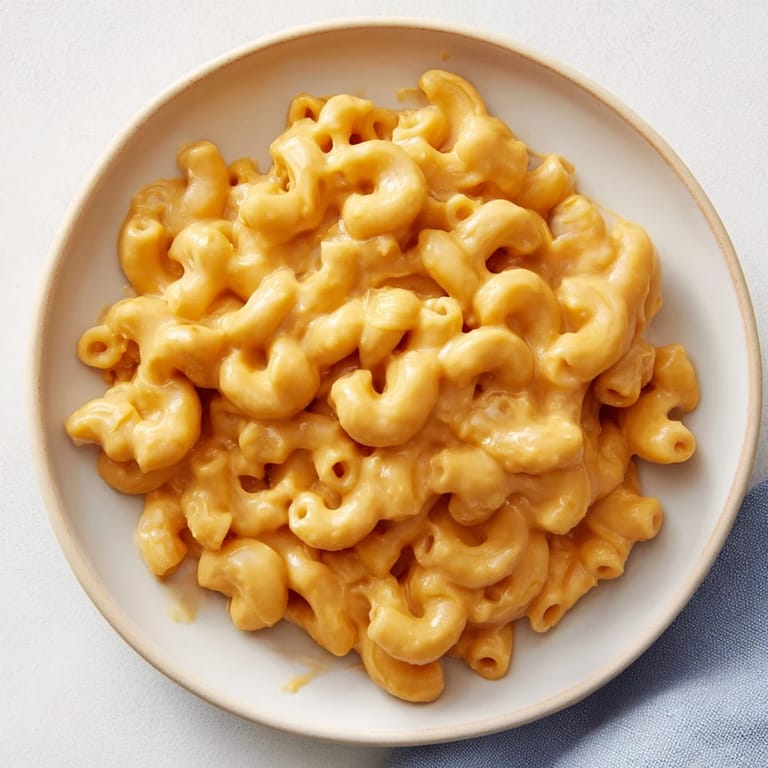
Save I grabbed a butternut squash on a whim one November afternoon, no real plan except to shake up our usual mac and cheese. The squash sat on my counter for two days before I finally roasted it, and when I blended it into the cheese sauce, the color alone made my daughter stop mid-sentence. That first bite was creamy, subtly sweet, and somehow exactly what we needed as the days got shorter.
The second time I made this, I brought it to a potluck where half the table was suspicious of anything orange. By the end of the night, the dish was scraped clean and three people asked for the recipe. One friend admitted she thought it was just cheddar until I mentioned the squash, and suddenly everyone wanted to know how something so familiar could taste this good.
Ingredients
- Elbow macaroni or small shells: The pasta shape matters more than you think. Small shells catch the sauce in their pockets, making every bite creamy.
- Butternut squash: Roasting it first brings out a caramelized sweetness that raw squash cant deliver. Dont skip this step.
- Olive oil: Just enough to keep the squash from sticking and to help it brown in the oven.
- Unsalted butter: The base of your roux. Salted butter can throw off the seasoning, so I always use unsalted here.
- All-purpose flour: This thickens the sauce and gives it body. Whisk it fast so it doesnt clump.
- Whole milk: The creaminess depends on this. I tried 2 percent once and the sauce felt thin.
- Sharp cheddar cheese: The sharpness cuts through the sweetness of the squash and gives the dish its backbone.
- Gruyere or fontina cheese: Gruyere melts like a dream and adds a nutty depth. Fontina works if you want it milder.
- Nutmeg: A tiny pinch warms the whole dish without announcing itself. Freshly grated is best.
- Dijon mustard: It sharpens the cheese flavor and adds a hidden tang that makes people wonder whats different.
- Panko breadcrumbs: Optional, but if you want texture contrast, mix these with melted butter and parmesan for a golden crust.
Tired of Takeout? 🥡
Get 10 meals you can make faster than delivery arrives. Seriously.
One email. No spam. Unsubscribe anytime.
Instructions
- Roast the squash:
- Toss the cubes with olive oil, salt, and pepper, then spread them out on a baking sheet. Roast at 200 degrees C until theyre tender and the edges start to brown, about 20 to 25 minutes.
- Cook the pasta:
- Boil a big pot of salted water and cook your pasta until its just al dente. Drain it and set it aside while you work on the sauce.
- Puree the squash:
- Once the squash is cool enough to handle, throw it in a blender with half a cup of milk. Blend until its completely smooth and silky.
- Make the roux:
- Melt butter in a large saucepan over medium heat, then stir in the flour. Cook for a minute or two until it smells nutty and turns a light golden color.
- Build the sauce:
- Slowly whisk in the remaining milk, stirring constantly so no lumps form. Let it thicken for about 3 to 4 minutes, then stir in the squash puree, both cheeses, nutmeg, and Dijon. Keep stirring until everything melts together into a smooth, glossy sauce.
- Combine and serve:
- Fold the cooked pasta into the sauce until every piece is coated. If you want a crispy top, transfer it to a baking dish, sprinkle on the panko mixture, and broil for 2 to 3 minutes until golden.
 Save
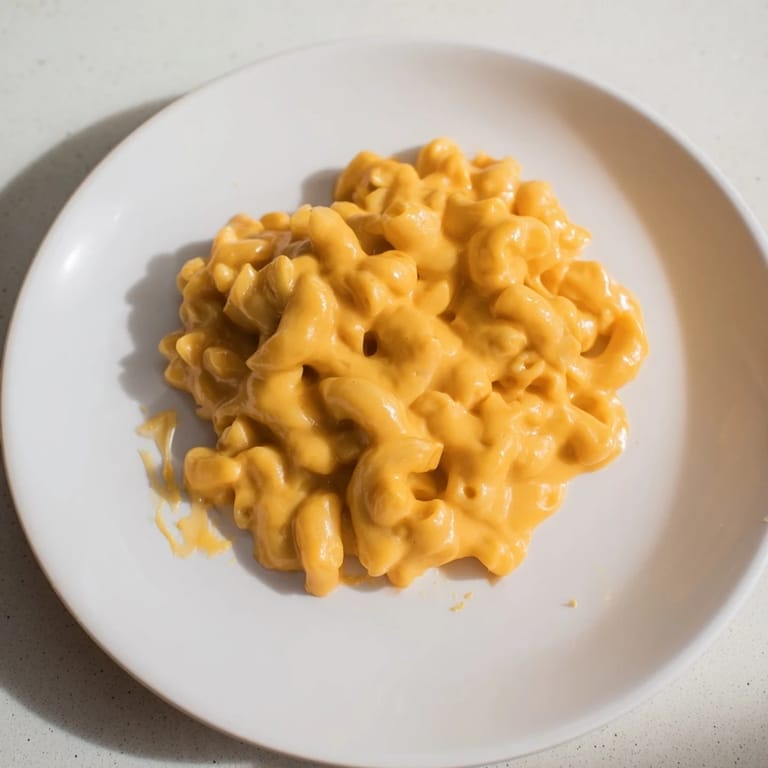
Save One rainy Saturday, my son declared this his new favorite dinner, which meant I had officially dethroned plain buttered noodles. He didnt care about the nutrition or the fancy cheeses. He just liked the way the sauce tasted like comfort, and that was enough for me.
Swaps and Substitutions
If you cant find Gruyere, fontina or even mozzarella will work, though the flavor will be milder. I once used all cheddar when I ran out of Gruyere, and it was still delicious, just a bit sharper. For a dairy-free version, swap the milk for unsweetened almond or oat milk and use vegan cheese, though the texture wont be quite as creamy.
Make It Your Own
This recipe is flexible enough to handle whatever youve got in the fridge. Stir in sauteed spinach or kale for color and nutrition, or add cooked chicken or crispy bacon if you want protein. Ive even tossed in caramelized onions when I had extra, and they added a sweet, savory layer that made the dish feel more grown-up.
Storing and Reheating
Leftovers keep in the fridge for up to three days in an airtight container. The sauce thickens as it cools, so when you reheat it, add a splash of milk and warm it gently on the stove or in the microwave, stirring halfway through. If you froze it, let it thaw in the fridge overnight before reheating.
- Reheat in a saucepan over low heat with a little extra milk to loosen the sauce.
- Skip the broiled topping if youre planning to store it, and add it fresh when you reheat.
- Frozen mac and cheese is best eaten within a month for the best texture.
 Save
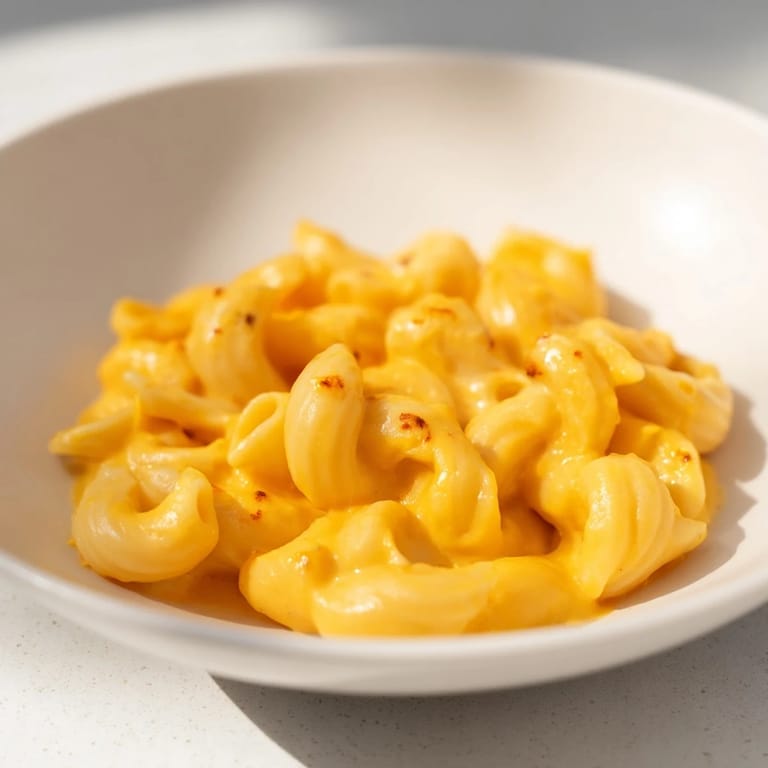
Save This dish turned into one of those recipes I make without thinking, the kind that feels like a hug on a plate. I hope it does the same for you.
Recipe Guide
- → How is the butternut squash prepared?
The squash is peeled, cubed, tossed with olive oil, salt, and pepper, then roasted until tender and caramelized to enhance its natural sweetness.
- → What cheeses are used in the sauce?
A sharp cheddar and Gruyère or fontina cheese blend create the rich, creamy texture and depth of flavor in the sauce.
- → Can the topping be omitted?
Yes, the panko and parmesan topping is optional, but it adds a pleasant crispy texture when broiled briefly on top.
- → How is the creamy sauce made smooth?
Pureed roasted squash is blended with a traditional flour and butter roux, then whisked with milk and cheeses until velvety.
- → What pasta types work best for this dish?
Elbow macaroni or small shell pasta hold the creamy sauce well, ensuring each bite is coated evenly.
- → Are there easy swaps for the cheese?
Gruyère can be replaced with fontina or mozzarella for a milder, creamy flavor without losing richness.