 Save
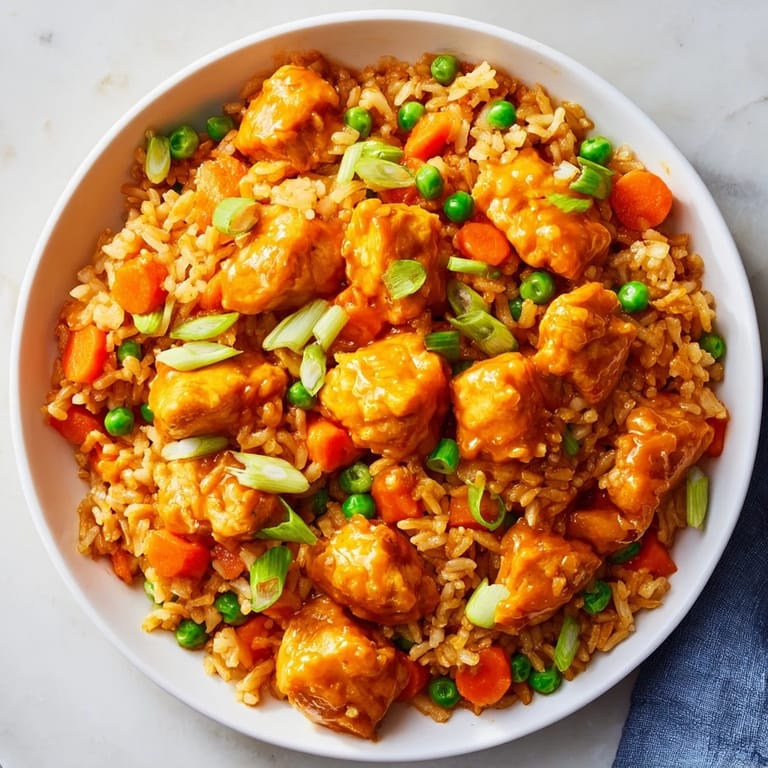
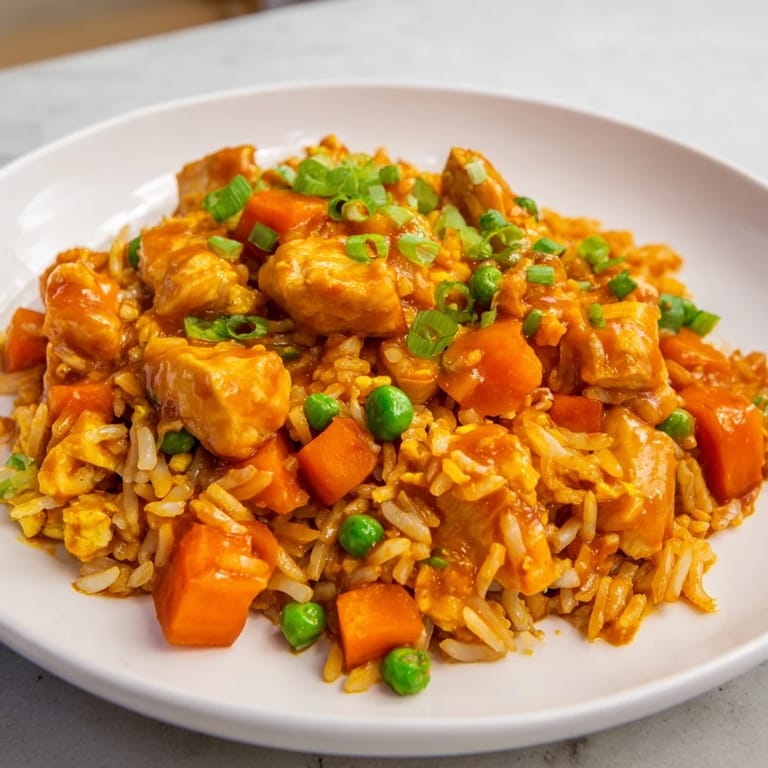
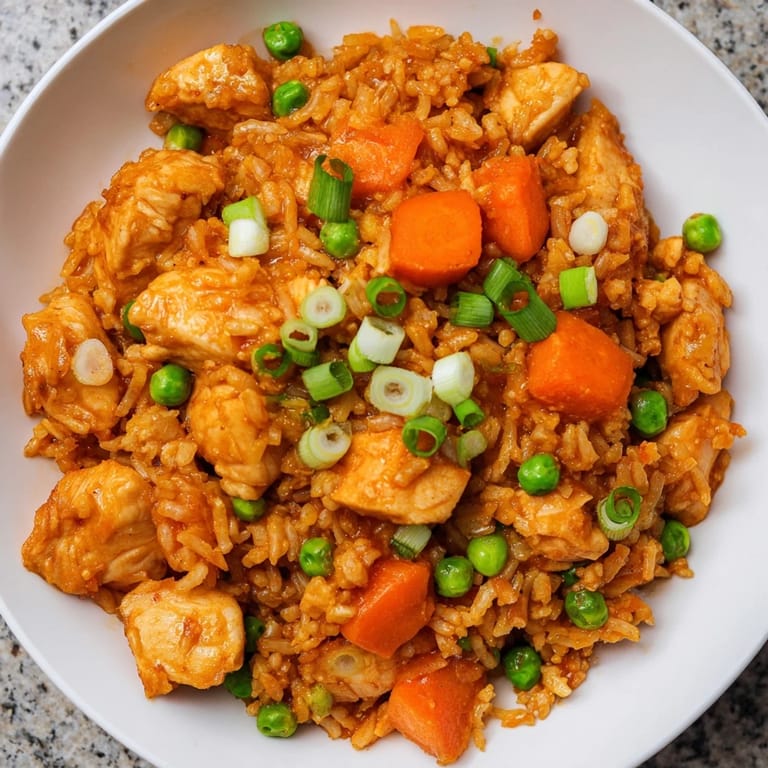
Save There's something wonderfully honest about butter chicken fried rice—it emerged from a Tuesday night when I had about two cups of butter chicken sitting in my fridge, refusing to be wasted, and a container of cold rice from the weekend. Instead of reheating them separately like I normally would, I thought: what if they actually belong together? That first attempt was messy and inspired, golden rice catching those pockets of creamy sauce, and somehow it tasted like both comfort and discovery at once.
I made this for my partner one weeknight when they'd been stuck in meetings all day, and watching their face when they tasted it—that moment when something simple suddenly feels special—that's when I knew this recipe was keeper material. The butter chicken's creaminess weaving through the fried rice somehow made everything taste both familiar and new.
Ingredients
- Leftover butter chicken (2 cups): The creamy, saucy kind works best—it becomes the soul of this dish, and you'll want pieces that can stand up to tossing without falling apart into threads.
- Cooked rice (3 cups, day-old and cold): This is crucial; warm or fresh rice gets mushy and clumpy, but cold rice from yesterday gets these beautiful, separate grains that actually fry rather than steam.
- Frozen peas and diced carrots (1/2 cup each): Frozen vegetables are honest ingredients—they thaw quickly into the hot rice and add color and texture without any pretense.
- Small onion, finely chopped, and green onions (2, sliced): The raw onion softens into the heat while the green onions stay bright; together they give the dish layers of flavor and that fresh finish.
- Soy sauce (2 tablespoons): This ties the whole fusion together, salting and deepening everything at once—adjust to your taste, as soy sauces vary wildly in strength.
- Tomato paste (1 tablespoon, optional): A touch adds a subtle sweetness and deepens the color, though it's genuinely optional if your butter chicken is already richly colored.
- Garam masala (1/2 teaspoon, optional): This keeps the Indian DNA of the dish alive and present, warming the palate without overwhelming the creaminess.
- Salt, black pepper, unsalted butter (2 tablespoons total), and vegetable oil (1 tablespoon): The butter makes the rice glisten and taste richer; the oil gets the pan hot enough to actually fry.
- Large eggs (2, optional): If you add them, they scramble right into the rice and become pockets of richness that catch the sauce.
Tired of Takeout? 🥡
Get 10 meals you can make faster than delivery arrives. Seriously.
One email. No spam. Unsubscribe anytime.
Instructions
- Gather everything first:
- Mise en place is your friend here because this dish moves fast. Chop your onions and green onions, measure out the sauces, break up any rice clumps with your fingers—everything should be within arm's reach before you start cooking.
- Heat your wok or skillet:
- Get a large pan hot over medium-high heat, then add the vegetable oil and 1 tablespoon butter until it foams and smells nutty. This takes about a minute, and you'll see the butter turn golden at the edges.
- Sauté the onion and carrots:
- Toss them in and let them sizzle and soften for 2-3 minutes, stirring now and then. You're not cooking them through; you just want them to lose their raw edge and start to smell sweet.
- Add eggs if you're using them:
- Push the vegetables to the side, pour in the beaten eggs, and let them set for maybe 30 seconds before scrambling them gently with your spatula until just barely set. Break them into small pieces as you go; they'll toss with the rice in a moment.
- Add the cold rice and break it apart:
- This is where the magic happens. Dump in your cold rice, break up any clumps with the edge of your spatula, and stir-fry for 2-3 minutes until it's heated through and the grains are separate and moving freely in the pan. You should hear it sizzling.
- Fold in the butter chicken and vegetables:
- Add your leftover butter chicken with all its sauce, the frozen peas, and green onions, stirring everything together gently so the chicken pieces stay intact but everything gets coated with sauce and heat.
- Season and marry the flavors:
- Pour in the soy sauce, add the tomato paste and garam masala if you're using them, and season with salt and pepper. Stir for 3-4 minutes until the rice is evenly coated and everything is heated through—the edges of the rice should look slightly golden and caramelized.
- Add the final butter:
- Stir in the remaining tablespoon of butter and let it coat everything, giving the whole dish a silky finish and deepening the flavor.
- Taste and finish:
- Take a bite. Does it need more soy sauce? A crack more pepper? Adjust as you go—this is your dish to season. Serve hot with extra green onions scattered over the top for brightness.
 Save
Save What I love most about this dish is that it started as a solution to leftovers and became something I actively make butter chicken extra so I'll have it waiting for a night when I want something comforting but still feel like I'm cooking something thoughtful. It's proof that fusion doesn't always mean complicated—sometimes it just means listening to what two good things want to become together.
Why Cold Rice Changes Everything
The first time I tried making fried rice with freshly cooked rice, I learned the hard way that warmth is the enemy of good texture. Warm rice grains hold moisture and clump together no matter how frantically you stir; cold rice has had time to firm up and separate, so when it hits the hot pan, each grain fries individually instead of steaming into a paste. If you only have warm rice, spread it on a sheet pan and let it cool in the fridge for 20 minutes at least, or even better, plan ahead and cook your rice the day before. The patience pays off in every bite.
The Art of Not Overworking the Butter Chicken
Butter chicken sauce is emulsified and delicate—butter, cream, and tomato suspended in a careful balance—and too much aggressive stirring or prolonged high heat can break that emulsion and leave you with separated, oily sauce. Add it toward the end of cooking, fold it in gently rather than vigorously stirring, and let it warm through rather than cook further. Think of it as a guest arriving to a party that's already started; you're welcoming it in, not asking it to help set up.
Flexibility and Flavor Building
This recipe is genuinely flexible because the framework is strong—you're building fried rice, and fried rice can hold a lot of variation. Some nights I skip the eggs and add cashews for crunch, other times I throw in corn or bell pepper because they're what I have. The optional tomato paste and garam masala aren't decorative; they're there to amplify the Indian flavors and keep the dish from feeling generic, so I'd encourage you to use them unless you're specifically going for something lighter.
- Add a teaspoon of ginger-garlic paste mixed into the oil at the very beginning for deeper warmth.
- If your butter chicken is very mild, a small pinch of chili flakes or a teaspoon of hot sauce stirred in keeps things interesting.
- Green salad with lemon juice alongside makes the richness feel bright and balanced.
 Save
Save Butter chicken fried rice has become my answer to the question of what to cook when I want something nourishing but don't want to think too hard. It tastes like you've been cooking all day, even though you haven't.
Recipe Guide
- → Can I use leftover butter chicken for this dish?
Yes, leftover butter chicken, preferably boneless pieces with sauce, works perfectly to impart rich flavors to the fried rice.
- → What type of rice is best for fried rice?
Day-old cold rice is ideal as it is less sticky and fries better, producing a fluffy texture.
- → How can I add extra spice to this dish?
Incorporate chopped green chilies or a splash of chili sauce during cooking for added heat.
- → Is this dish suitable for gluten-free diets?
Using gluten-free soy sauce ensures the dish remains gluten-free without sacrificing flavor.
- → Can I include eggs in this dish?
Yes, lightly beaten eggs can be scrambled with vegetables for added protein and texture.